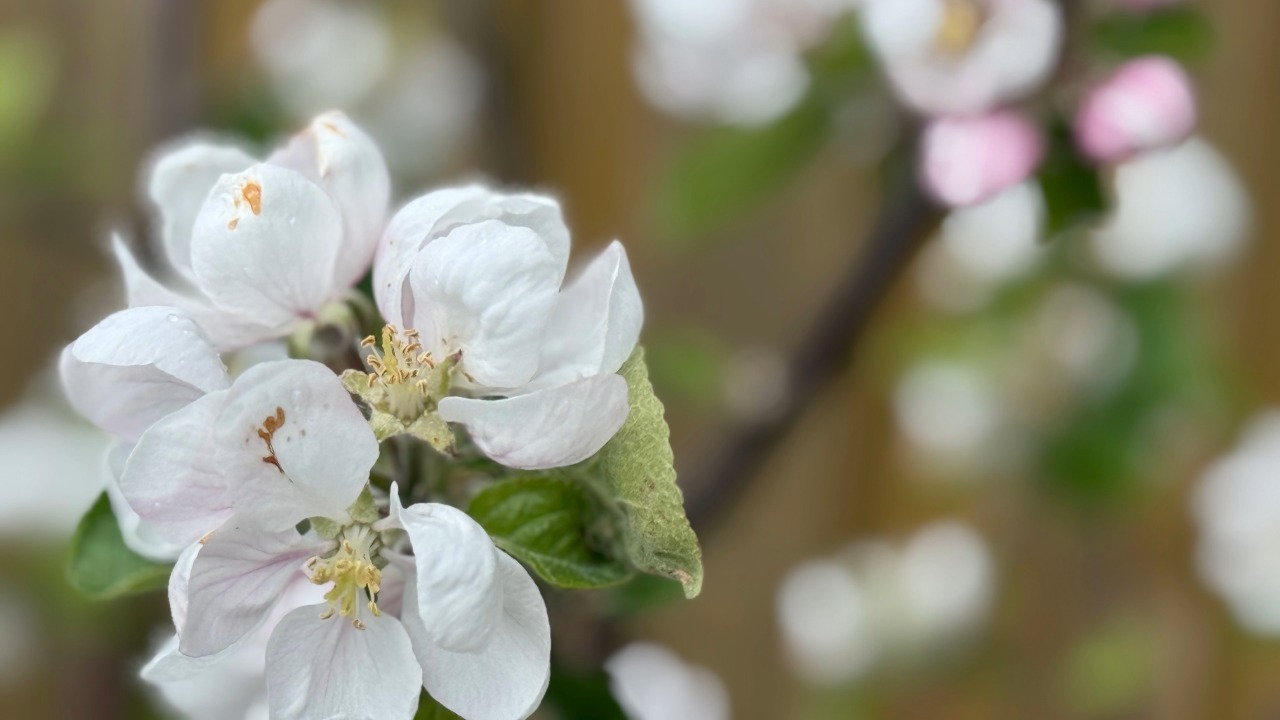
Cherry blossoms in full bloom in a Blaine backyard signal the arrival of spring — and the start of what forecasters say will be an unusually intense pollen season across northwest Washington. (Photo: PNW Daily)
WHATCOM COUNTY, Wash. — If you are suffering through a stuffy nose and itchy eyes this week, you are not alone. High tree and grass pollen levels have triggered an allergy surge across Washington, and northwest residents are feeling it.
AccuWeather forecasters warned earlier this spring that it would be a bad allergy year nationwide. As the grey of winter gave way to local cherry blossoms, however, those warnings may have gone unheard.
That is, until this week in western Washington, where many cherry blossoms have since blown away and folks are waking up to high birch and other tree pollens in full force.
High Pollen Counts Hitting Washington
Tree and grass pollen levels are running high across Washington this week, and many residents notice what feels like an unusually sharp allergy season following late-season lowland frosts.
“A later frost can help short-term pollen with lowering the tree pollen for a short time, but also increase pollen later in the season and make it more intense,” said AccuWeather Senior Meteorologist Alan Reppert.
In Bellingham and surrounding areas, it was a gorgeous weekend for the lowland lake trout opener. Aside from the hoots and hollers from kids catching a trout, conversation also included talk of burning eyes, stuffy noses, and sore throats.
Many suffering this spring including some who do not typically experience seasonal allergies. A stretch of sunny and warm weather over the past several days accelerated pollen production, and even a light sprinkle Tuesday morning appears to have intensified conditions as trees responded to added moisture.
Everything outside is visibly in full spring mode. Lawns and hillsides are deep green, cherry blossoms have dropped across sun-exposed trees, while shaded trees still hold onto late blooms.
AccuWeather Outlook Points to Active Pollen Season
According to AccuWeather meteorologist Brian Lada, tree pollen is already elevated in parts of the western United States and remains active as spring progresses. In the Pacific Northwest specifically, meteorologists said dramatically high levels would stretch from Blaine down to Portland, Oregon.
Weather conditions play a major role in pollen intensity. Warm temperatures increase plant activity, while rain can temporarily suppress pollen before dry conditions trigger a rebound. Furthermore, wind can carry pollen long distances, contributing to widespread exposure even on days that feel mild.
Local Conditions Driving Symptoms
In northwest Washington, recent weather swings are contributing to fluctuating but consistently high pollen exposure. The dry, sunny weekend for the lowland lake opener brought warm afternoons that allowed pollen to accumulate. Tuesday’s brief rain event is now triggering bursts of airborne particles as trees respond.
Grass pollen typically follows tree pollen later in spring, meaning allergy conditions will continue.
Current levels are HIGH and a forecast to remain there for the remainder of the week as we head into May.
How to Reduce Exposure During Peak Pollen
Health experts generally recommend limiting exposure during peak pollen hours, especially in the morning when levels tend to be highest. Additionally, these steps can help:
- Shower and change clothes after spending time outdoors
- Keep windows closed on high pollen days
- Use air filtration indoors when possible
- Start allergy medication before symptoms peak rather than after
- Limit outdoor activity during morning hours when pollen counts peak
With spring fully underway in the Pacific Northwest, residents should expect ongoing fluctuations in pollen levels as warm, wet, and windy conditions continue to shift across the region.
About the Author