

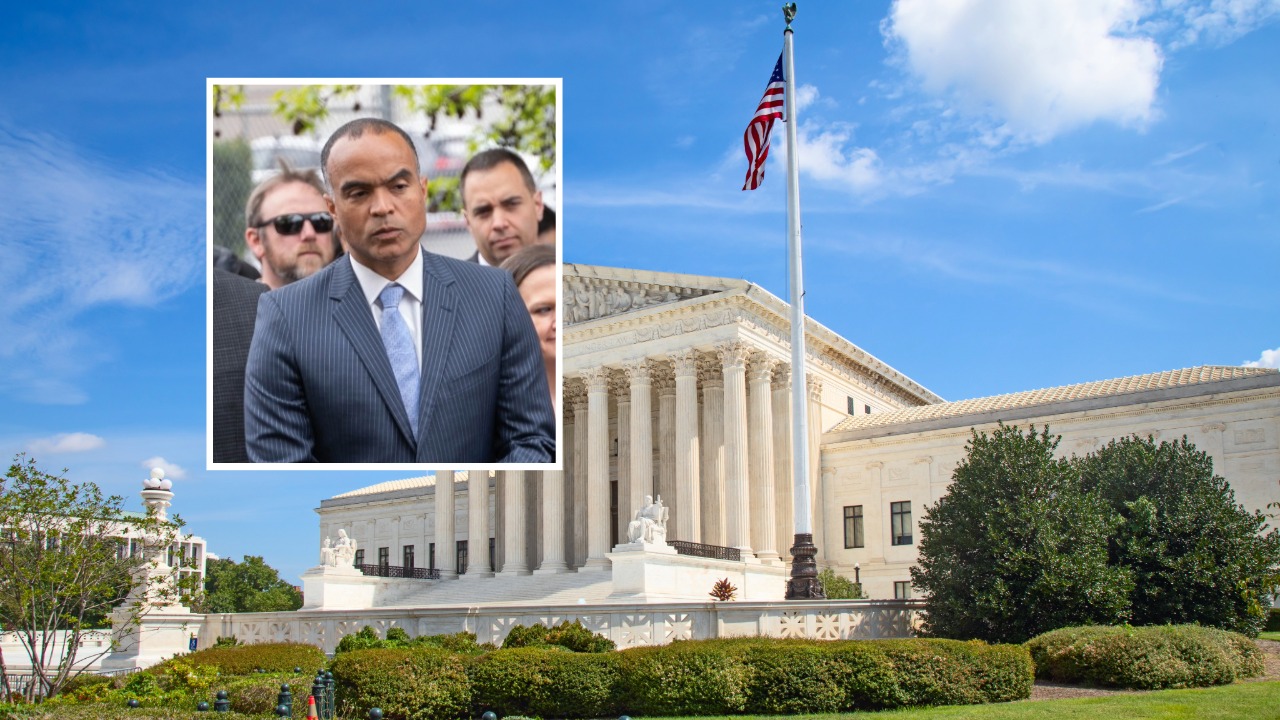
The Supreme Court's 6-3 ruling in Louisiana v. Callais limits how race can factor into redistricting. Washington AG Nick Brown called it a disregard of civil rights history.
BELLINGHAM, Wash. — Washington Attorney General Nick Brown sharply criticized a new U.S. Supreme Court ruling Wednesday that weakens a core provision of the Voting Rights Act of 1965, saying the decision undermines decades of civil rights protections.
The decision in Louisiana v. Callais, issued April 29, limits how lawmakers can consider race when drawing congressional districts. As a result, Brown said the ruling threatens legal safeguards against racial discrimination in voting.
“Today, the Supreme Court has disregarded that sacrifice, dismissed the truth, and revoked the law’s promise to future generations,” Brown said.
Court Narrows Key Voting Protections
In a 6-3 opinion, Justice Samuel Alito wrote that Louisiana’s congressional map relied too heavily on race, with race predominating over other traditional redistricting principles. The court struck down the map, which included a second majority-Black district. Previously, Section 2 of the Voting Rights Act allowed courts to block maps that diluted minority voting power. However, the ruling raises the bar for proving discrimination, and critics say future legal challenges will face steeper hurdles as a result.
In her dissent, Justice Elena Kagan warned the decision marks a “now-completed demolition” of the law’s central protections.
Today, the Supreme Court has disregarded that sacrifice, dismissed the truth, and revoked the law’s promise to future generations.
— Washington AG Nick Brown, April 29, 2026
Decision Could Reshape Southern Districts
Following the ruling, states across the South began reviewing their congressional maps. Officials in Florida and Mississippi signaled they may revisit current district lines. Analysts say as many as 15 districts with large minority populations could face changes, potentially reducing Black representation in Congress.
Supporters of the ruling argue it restores constitutional limits on race-based redistricting. Meanwhile, civil rights groups warn it weakens long-standing protections built over six decades.
Brown Links Ruling to Civil Rights History
To emphasize the stakes, Brown pointed to the legacy of the Selma to Montgomery marches. He recently visited Selma, Alabama, where voting rights activists faced violence during Bloody Sunday in March 1965. Congress passed the Voting Rights Act five months later, in August 1965. Because of that history, Brown said the current ruling carries deep significance.
“Just five months later, Congress passed this miracle legislation into law,” Brown said. “We must work as the tragic implications of the Callais decision loom for so many.”
Legal Fight Expected to Continue
Brown said his office will continue efforts to protect voting rights in Washington and called for renewed advocacy at both the state and federal levels. Notably, the ruling builds on Shelby County v. Holder, which removed federal oversight for certain jurisdictions. Together, the decisions mark a significant shift in how courts enforce voting rights law.
“The message 60 years ago is the same now,” Brown said. “We shall overcome.”
Frequently Asked Questions
About the Author




1 thought on “Washington Reacts to Supreme Court Ruling on Voting Rights Act”