

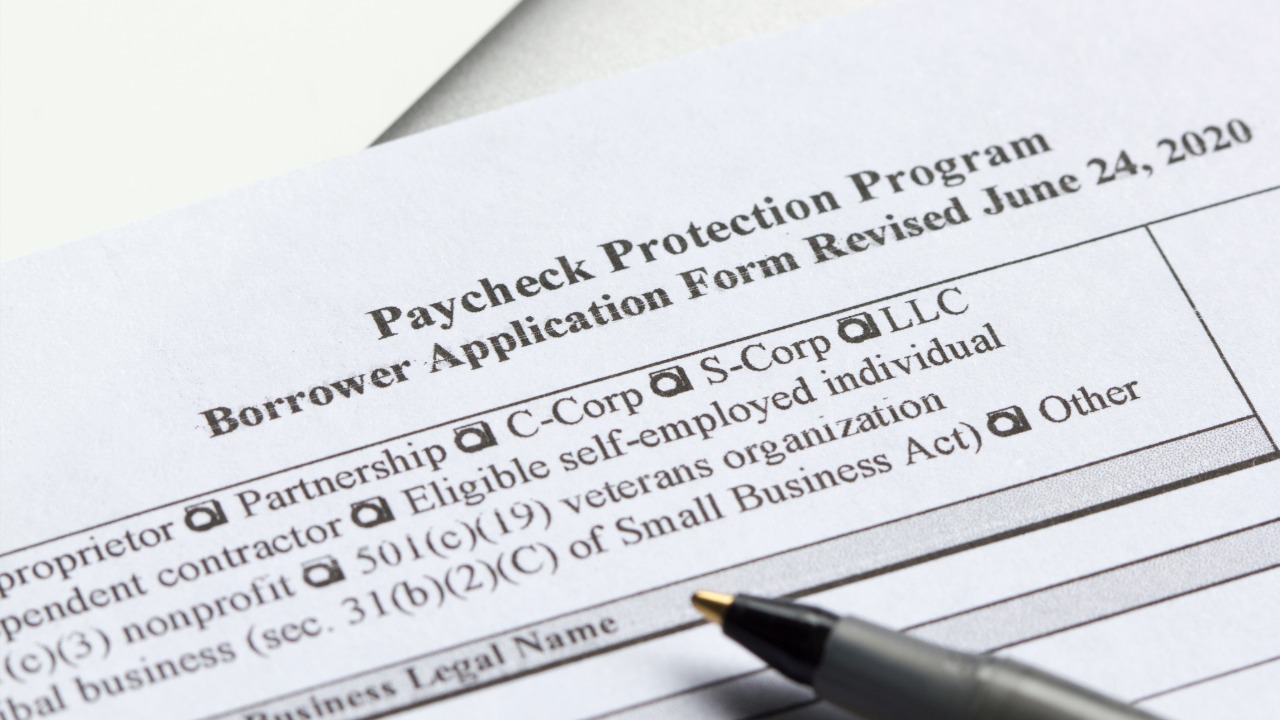
Headset Inc. will pay $1,012,876 to resolve claims it improperly received a PPP loan tied to its work with the marijuana industry.
SEATTLE, Wash. — A Seattle data analytics company will pay a million-dollar settlement to resolve allegations that it improperly received a federal Paycheck Protection Program loan in 2021 because of its work with the marijuana industry.
Headset Inc. received a PPP loan in February 2021 and received forgiveness for the loan in August 2021. Federal prosecutors said the company was ineligible for the loan because it provided services to the marijuana industry, which remains illegal under federal law.
Headset did not admit wrongdoing. The company agreed to the $1,012,876 settlement to avoid the risks and costs of continued litigation.
Sidesolve LLC filed a qui tam lawsuit against Headset in May 2024. The San Jose-based company uses data analytics and artificial intelligence to identify potential corporate fraud and pursue whistleblower claims under the False Claims Act.
Headset serves the cannabis industry
Headset was founded in Seattle in 2015 and provides business intelligence and market data to cannabis businesses.
The company says its platform provides market intelligence and consumer trend data to help cannabis businesses make decisions. Its customers include growers, processors and retailers.
Headset’s founders previously helped launch Leafly, a cannabis technology company, in 2010.
The federal government alleged Headset was not eligible for a PPP loan because of its work in the marijuana industry.
The PPP provided federally backed loans to help businesses keep workers employed during the COVID-19 pandemic. Although many states legalized marijuana, federal law continued to prohibit it.
Data Mining Leads to Whistleblower Lawsuits
Sidesolve, the company that brought the Headset case, specializes in using data analytics and software to identify potential corporate fraud.
The San Jose company was co-founded by Katy Levinson and Derrick Lin. Sidesolve uses artificial intelligence and data science tools to analyze information from public records, databases and social media, according to information about the company and its work.
The company operates as a qui tam relator under the False Claims Act. The law allows private parties to bring lawsuits on behalf of the United States and receive a portion of money recovered by the government.
Sidesolve has focused heavily on potential fraud involving PPP loans issued during the COVID-19 pandemic.
The company also served as the whistleblower in a $9 million settlement involving Empire Roofing Inc. over allegations that the company falsely certified its eligibility for PPP loans. Sidesolve received $1 million from that settlement.
Sidesolve has also pursued cases involving companies in the state-legal cannabis industry. Those cases have focused on federal restrictions that made some marijuana-related businesses ineligible for federal relief programs.
Headset will make payments through 2030
Under the settlement, Headset paid $100,000 within 30 days of the agreement being signed in early August 2026.
Sidesolve will receive 10 percent of the amount Headset pays to the government under the settlement. It also will receive $20,000 for attorney fees and costs.
First Assistant U.S. Attorney Charles Neil Floyd announced the settlement, which Assistant U.S. Attorney Matt Waldrop negotiated for the United States.
The settlement resolves claims brought under the qui tam provisions of the False Claims Act. It does not constitute an admission of wrongdoing by Headset.
The case illustrates how data-driven whistleblower companies are using technology to identify potential False Claims Act claims involving federal programs, including the massive COVID-19 relief programs created during the pandemic.
The Headset settlement comes as federal authorities continue to pursue allegations involving pandemic-era PPP loans. In a recent July case in New York, four labor unions and an employee benefit plan agreed to pay $3.85 million to resolve allegations that they falsely certified their eligibility for PPP loans. The False Claims Act generally allows the government to bring claims for up to 10 years after an alleged violation, meaning some PPP-related cases can remain viable through 2030.
“The Paycheck Protection Program was created to help eligible small businesses weather the economic strain of the pandemic through forgivable loans. The defendants here applied for and received millions of dollars in taxpayer funds for which they were not eligible. This Office is committed to protecting taxpayer dollars and recovering public funds that flow to those who do not qualify.”
— Jay Clayton, U.S. Attorney, July 2026
Frequently Asked Questions
About the Author



2 thoughts on “Seattle Firm Headset To Pay $1 Million Over PPP Loan Fraud”