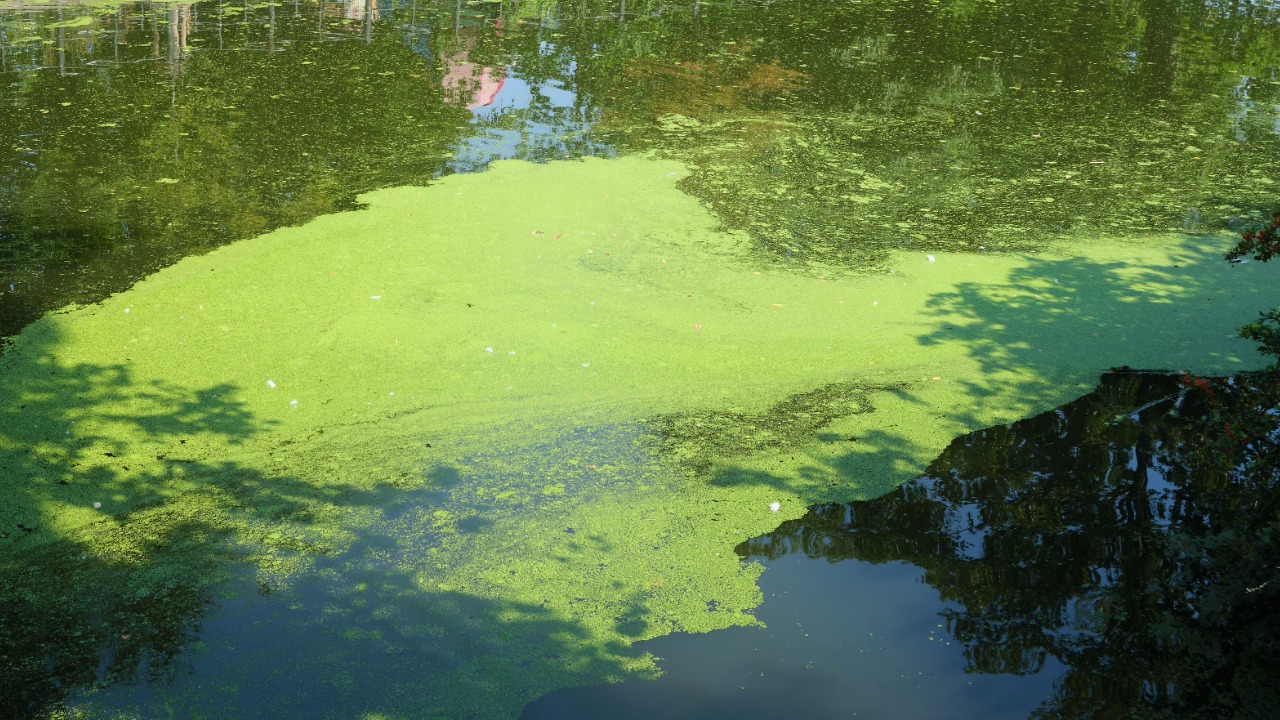
Whatcom County issued a drinking water advisory after testing found increased microcystin levels in Lake Samish, affecting private water systems.
LAKE SAMISH, Wash. — Whatcom County health officials issued a drinking water advisory after testing detected increased levels of microcystin in Lake Samish.
The advisory applies to lakeshore residents who draw drinking water directly from the lake through private systems. The toxin level exceeds the limit considered safe for vulnerable people. However, officials said the level remains safe for healthy adults and children older than 6.
Microcystin is a toxin that some blue-green algae blooms can produce. Officials collected the water sample along the lake’s east shore after receiving a report of a harmful algae bloom.
“Testing occurred on the east shore of the lake. We do not know how far the cyanotoxin has spread or how long it will last.”
Whatcom County Health and Community Services
Vulnerable Residents Should Use Bottled Water
Health officials advise vulnerable residents not to use lake-drawn water for drinking, cooking, boiling or brushing their teeth when an algae bloom is near their intake. They should use bottled water or another safe water source.
The vulnerable groups include infants, children younger than 6, pregnant or nursing women, older adults and people with weakened immune systems. People with liver disease or those receiving dialysis also face an increased risk.
Residents should not use the water to prepare infant formula.
Boiling the water will not remove cyanotoxins. In addition, standard water filters and purifiers may not remove them. Residents should only rely on a treatment system if its manufacturer has confirmed that it removes cyanotoxins.
At the levels detected, officials consider bathing and handwashing generally safe for everyone.
Swimming Remains Allowed at Current Levels
The county said the current microcystin level remains below the health advisory threshold for swimming and other recreational activities. Recreational limits allow a higher toxin concentration because swimmers typically swallow less water than people consume from a drinking-water system.
However, residents and visitors should stay out of any area where they can see algae accumulating. Harmful algae blooms may resemble spilled paint and can appear blue-green, brown or reddish-green.
The blooms can also move, change in size and collect along different sections of shoreline. Therefore, testing at one location does not confirm conditions across the entire lake.
People should keep children, pets and livestock away from visible blooms. Anyone cleaning fish from the lake should remove and discard the internal organs rather than feeding them to pets.
Symptoms Can Develop Within Hours
Swallowing microcystin can cause nausea, vomiting, diarrhea and stomach pain. In rare cases, exposure can cause serious liver damage.
Meanwhile, breathing mist or spray from affected water can cause coughing, a sore throat or shortness of breath. Direct contact may irritate the skin or eyes.
Anyone who develops symptoms after drinking lake water or contacting an algae bloom should seek medical care. Pet owners should contact a veterinarian immediately if an animal becomes ill after exposure.
Stay Informed and Report a Bloom
Residents can sign up for email and text alerts covering future water quality advisories, including harmful algae bloom notifications, through the county’s drinking water quality advisory list.
- To report a suspected bloom, call 360-778-6000 or email livingenvironment@whatcomcounty.us.
- For general algae bloom information and lake data across Whatcom County, visit nwtoxicalgae.org.
- Anyone who believes they became ill after swimming can file an online complaint or email LivingEnvironment@co.whatcom.wa.us.
- Additional guidance on recreational water safety is available on the county’s website.
Anyone who spots a blue-green algae bloom in a publicly accessible area can report it by calling 360-778-6000 or emailing livingenvironment@whatcomcounty.us. For blooms near private property, county officials recommend visiting nwtoxicalgae.org for sampling instructions.
Frequently Asked Questions
About the Author