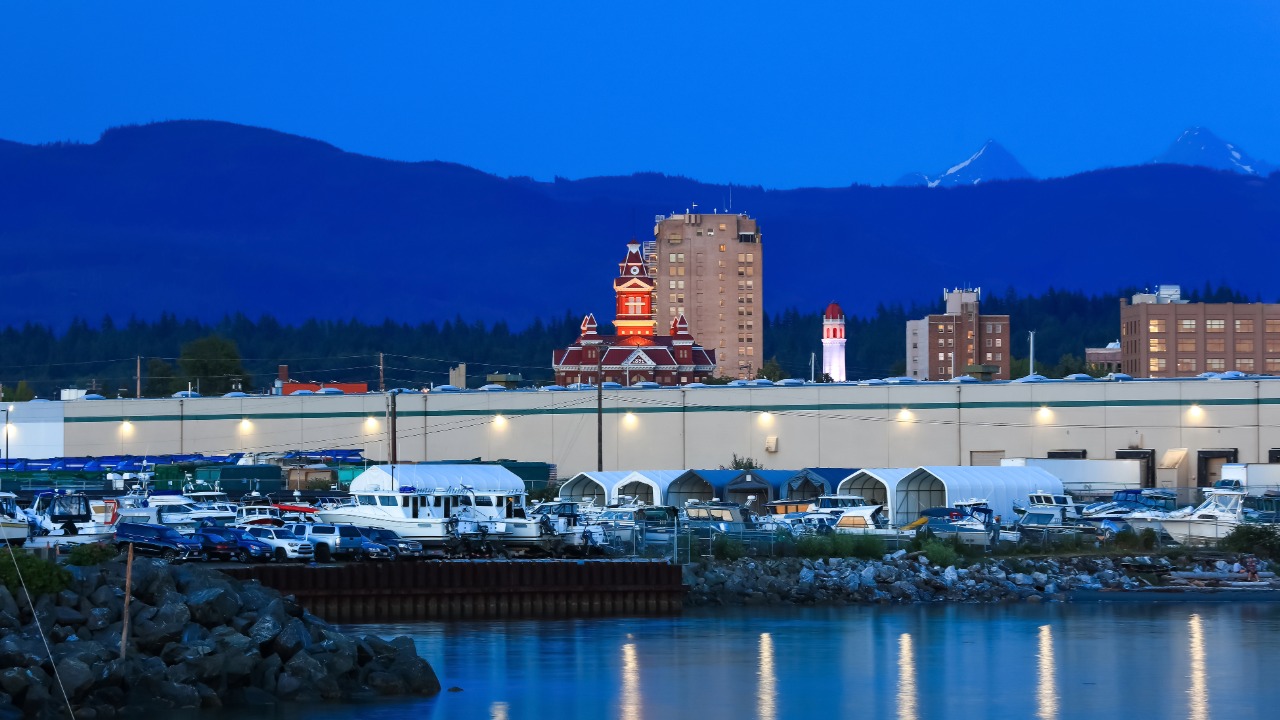
Bellingham's commercial real estate market remained stable in the second quarter of 2026, with strong industrial demand, steady retail leasing, and slower investment sales.
BELLINGHAM, Wash. — Bellingham’s commercial real estate market remained resilient during the second quarter of 2026, with healthy leasing activity, historically low industrial vacancies and stable retail demand, even as elevated interest rates continued to slow property sales.
A new quarterly market report released Thursday by Pacific Continental Realty found retail and industrial properties continued to perform well. The office market saw a modest increase in available space. At the same time, higher borrowing costs continued to discourage investment transactions across the city.
The report comes as many Washington households continue to grapple with elevated living costs. Economists increasingly expect Washington’s economy to outperform much of the nation in 2026, driven largely by growth in the technology and artificial intelligence sectors, many residents continue to face high housing costs, expensive groceries and higher borrowing costs.
The report also comes as portions of Washington’s economy continue to face challenges. This week, Alpha Technologies Services Inc. filed a WARN notice announcing the permanent closure of its Bellingham operation, a move expected to eliminate 75 jobs effective Aug. 31. The filing underscores that while commercial leasing activity has remained stable, employers and investors continue to navigate an uncertain economic environment.
Leasing Market Continues to Perform Well
Ryan A. Martin, co-owner and broker at Pacific Continental Realty, said leasing activity remained healthy throughout the quarter despite broader economic uncertainty.
Retail vacancy held steady at 5.8%, while average asking rents climbed from $21.10 to $21.61 per square foot. According to Martin, that marks the highest average retail asking rate recorded since Pacific Continental Realty began tracking the local market.
Although some retail vacancies remain concentrated in downtown Bellingham and the Sunset Square area, Martin said neighborhood shopping centers continue to report strong occupancy levels.
“The combination of stable vacancy and increasing asking rents suggests landlords remain confident in the long-term outlook for retail despite ongoing economic uncertainty and selective softness in certain locations,” Martin said.
Industrial Market Reaches Historic Lows
The industrial sector remained Bellingham’s strongest commercial property category during the second quarter.
Vacancy declined from 1.2% to just 0.9%, one of the lowest levels observed in recent years. Average asking lease rates also increased from $0.96 to $1.12 per square foot as demand for warehouse, manufacturing and flex industrial space continued to outpace available inventory.
Martin attributed the continued strength to limited available space and relatively little new industrial construction entering the market.
“Although the overall retail market continues to perform well, vacancy remains concentrated within a handful of submarkets,” Martin said. “Downtown and Sunset Square continue to account for a disproportionate share of available retail space, while many neighborhood shopping centers remain well occupied.”Ryan A. Martin, co-owner and broker at Pacific Continental Realty
Office Vacancy Edges Higher
The office market experienced a modest increase in vacancy during the quarter.
Overall office vacancy rose from 4.1% to 5%, while average asking rents slipped slightly from $18.90 to $18.62 per square foot as landlords continued competing for tenants. Downtown Bellingham remained the area’s largest concentration of available office space, with vacancy increasing from 7.7% to 8.2%.
Despite the increase, Martin noted Bellingham’s office market remains healthier than many larger regional markets, with local and regional businesses continuing to occupy much of the city’s office inventory.
Higher Interest Rates Continue to Slow Sales
While leasing activity remained stable, Martin said commercial property sales continue to face headwinds from elevated interest rates.
He said higher financing costs and tighter lending standards have reduced transaction volume as buyers and sellers adjust to the current market.
Commercial property values have generally stabilized over the past year, Martin said, but investment activity remains below historical averages while investors wait for greater certainty in capital markets.
Downtown Initiatives Could Help Long Term
The report also highlighted Bellingham Mayor Kim Lund’s Executive Order 2026-01, which outlines several initiatives aimed at strengthening downtown economic development.
The proposal includes streamlining permitting, encouraging redevelopment of long-vacant commercial buildings, improving infrastructure, supporting the arts district and creating a proposed seven-year business and occupation tax exemption for qualifying businesses that open downtown, pending City Council approval.
Martin said those efforts demonstrate renewed attention on downtown but are unlikely to immediately change market conditions.
Instead, he said long-term success will depend on increasing tenant demand, strengthening business confidence and improving the broader economic environment.
While economists expect Washington’s economy to outperform much of the nation in 2026, many households continue to face persistent affordability challenges, including higher housing, grocery and borrowing costs.
Frequently Asked Questions
About the Author