

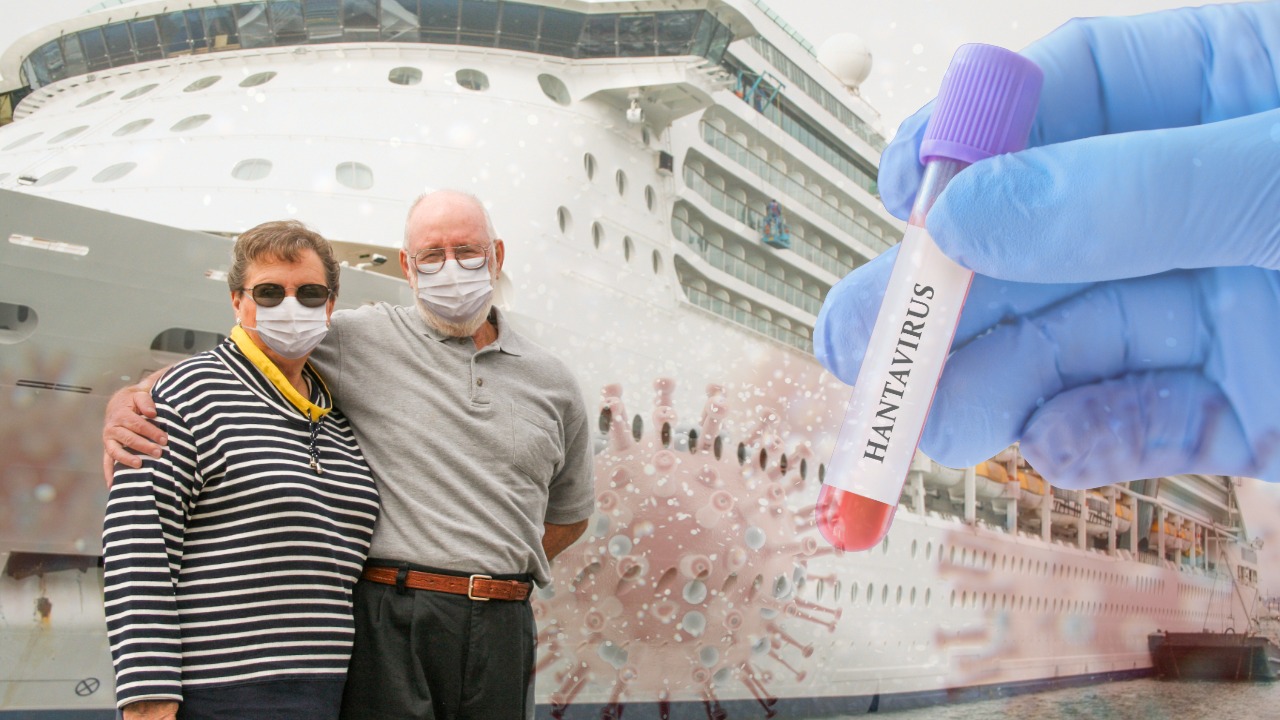
SEATTLE — Public health officials are monitoring three King County residents for possible exposure to the Andes strain of hantavirus, linked to the international cruise ship MV Hondius.
Public Health Seattle and King County confirmed the situation Tuesday after the Centers for Disease Control and Washington State Department of Health notified the agency about the potential exposures.
How the Exposures Happened
Two King County residents sat near an ill cruise ship passenger aboard an airplane before takeoff. Authorities removed that passenger from the flight. He later tested positive for the Andes strain of hantavirus.
Both residents have since returned home. Neither shows symptoms. They are monitoring for illness in coordination with Public Health Seattle and King County.
A third King County resident was a passenger aboard the MV Hondius during the outbreak. That individual also remains asymptomatic. Currently, he is under observation at the national quarantine center at the University of Nebraska Medical Center alongside other American passengers from the ship.
Public health officials stressed that King County has no confirmed hantavirus cases and that the overall risk to the public remains low.
The risk of this virus spreading to residents of King County is low at this time. This is a very different situation from when COVID-19 first emerged.
— Dr. Sandra J. Valenciano, King County Health Officer
What Is the Andes Strain?
Hantaviruses spread primarily through contact with infected rodents. Specifically, exposure to rodent urine, saliva or droppings causes most infections. Some cases progress to hantavirus pulmonary syndrome, a severe and potentially fatal respiratory illness.
The Andes strain stands apart from other hantaviruses. It is the only known type capable of spreading from person to person. However, health authorities note that such transmission is uncommon. It generally requires prolonged close contact, including direct physical interaction, extended time in enclosed spaces, kissing, sharing utensils or exposure to respiratory secretions or contaminated bedding.
The Cruise Ship Outbreak
The MV Hondius outbreak has drawn a response from the CDC, the WHO and multiple national health agencies.
As of Tuesday, May 13, global health officials had linked 11 total cases to the vessel, including nine laboratory-confirmed infections and three deaths.
Investigators believe the outbreak started when a Dutch couple contracted the virus while birdwatching near an Argentine landfill. They boarded the ship April 1. Both later died.
Because the Andes strain carries a long incubation period of several weeks, authorities placed passengers from 23 countries under quarantine or active monitoring. The CDC repatriated 18 Americans to specialized biocontainment facilities in Nebraska and Georgia.
Federal officials continue to describe the outbreak as a contained maritime cluster rather than a widespread public health threat.
Symptoms to Watch For
Early hantavirus symptoms resemble the flu. Watch for fever, fatigue, muscle aches, headaches, dizziness and nausea or vomiting. In severe cases, the lungs fill with fluid, causing coughing and difficulty breathing.
Anyone experiencing symptoms after possible exposure to rodents or close contact with an infected person should contact a healthcare provider immediately.
About the Author




1 thought on “King County Residents Monitored After Hantavirus Exposure”