
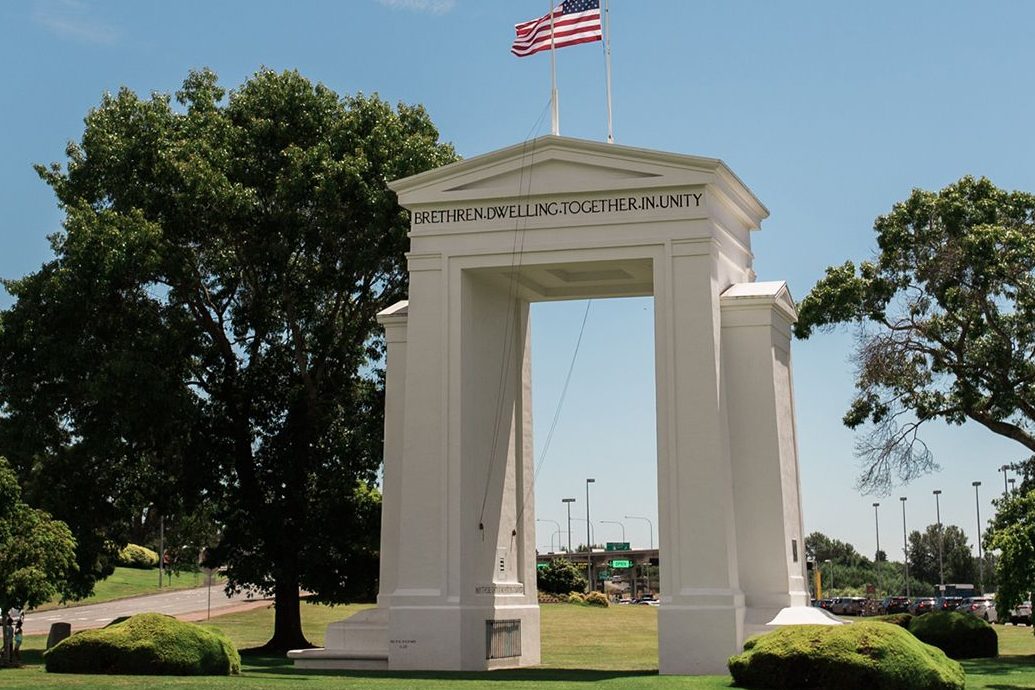
Over the last year at Peace Arch Border Crossing, we’ve talked a lot about longer waits, stricter screenings and rising fees mostly driven by changes on the U.S. side of the border.
Now Canada is making headlines for ending its Remote Area Border Crossing permits in 2026, which for people in the Pacific Northwest, this is a reminder that border tightening isn’t one-sided.
The truth is, this change doesn’t affect Washington to BC crossings at all. Remote permits never applied here. But the trend matters. Canada is moving toward the same real-time reporting and accountability the U.S. has already imposed including higher costs and fewer exceptions.
So if this feels like “a taste of our own medicine,” that’s because it is. Both countries are stepping away from trust-based border systems and toward enforcement-first models.
For PNW travelers, nothing changes at Peace Arch but the direction of border policy is very clear.
Over the last year, much of our Pacific Northwest border conversations during our coverage has centered on congestion, staffing, and wait times at Peace Arch Border Crossing. With headlines now circulating about Canada “canceling remote border permits,” here is the practical reality from a PNW perspective:
1. This change does NOT affect Washington–BC crossings
- The Remote Area Border Crossing (RABC) program never applied to British Columbia.
- There are no legal remote land or lake crossings into BC similar to those in northern Ontario or Manitoba.
- If you cross into BC from Washington, you already use staffed ports like Peace Arch, Pacific Highway, Sumas, or Osoyoos and that does not change in 2026.
2. Why this is making news anyway
- Canada is ending its long-standing RABC permit system in 2026 and replacing it with mandatory reporting by phone or in person for remote wilderness entries in parts of Ontario and Manitoba.
- This mainly impacts anglers, cabin owners, and recreational travelers entering Canada through isolated lake or water routes far from the PNW.
3. What does matter for the PNW
- The bigger story for this region remains border capacity, staffing, and processing efficiency, especially during peak travel seasons.
- Any tightening of reporting standards reinforces a broader trend: Canada is moving toward real-time accountability at all border interactions, even in places most travelers never see.
4. Bottom line for PNW travelers
- If you cross at Peace Arch or any other Washington–BC port: nothing changes.
- Passport requirements, vehicle checks, and CBSA screening remain exactly as they are today.
- The 2026 change is real, but it’s NOT going to affect your PNW border experience.
PNW takeaway:
This is not a new restriction on cross-border travel here. It is a cleanup of a legacy system elsewhere in Canada. For Washington and BC, the conversation remains about flow, infrastructure, and how long you’re sitting in line, not new paperwork.
About The Author
