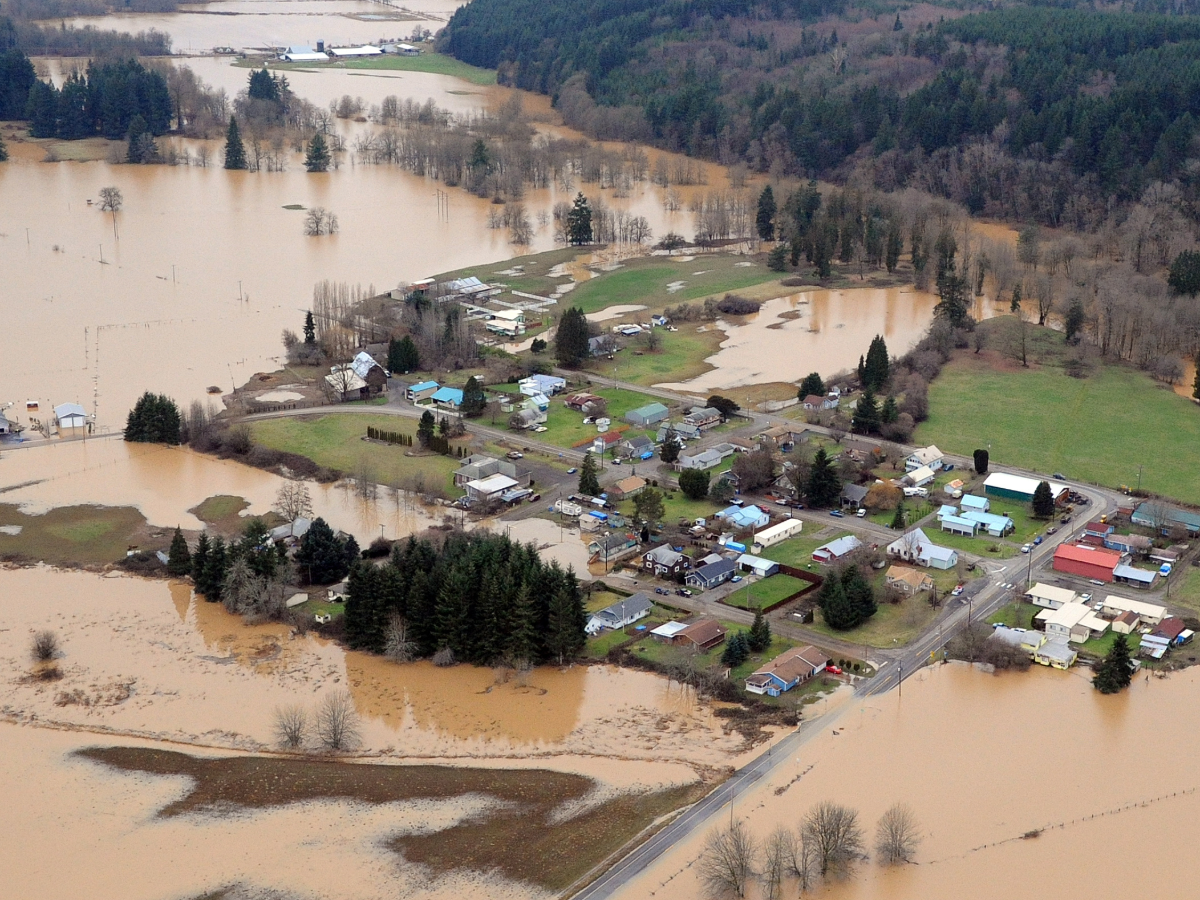
WASHINGTON STATE — As floodwaters recede, state officials are warning residents to remain alert as scammers target Washington flood victims to exploit disaster recovery periods to target vulnerable homeowners and families.
Consumer protection agencies say fraud attempts commonly increase following major weather events, with bad actors posing as contractors, government representatives, or charitable organizations offering relief services that never materialize.
The Washington State Attorney General’s Office and the Washington State Department of Financial Institutions have issued guidance reminding flood victims to verify anyone offering cleanup, repair, or financial assistance. Officials stress that legitimate state and federal disaster aid programs do not require upfront fees or payments to receive help.
Common Flood-Related Scams
Authorities say the most frequently reported scams following floods include:
- Unlicensed contractors demanding large cash deposits, then failing to complete work or disappearing entirely
- Fake government aid offers, where scammers impersonate FEMA or state agencies to collect personal or financial information
- Bogus charities soliciting donations for flood relief that never reach affected communities
- Flood-damaged vehicle fraud, in which water-damaged cars are resold without proper disclosure
The Federal Emergency Management Agency has repeatedly emphasized that FEMA representatives do not charge application fees and do not solicit assistance door-to-door or by unsolicited phone calls.
Officials Urge Caution During Recovery
State regulators are encouraging residents to take extra precautions before signing contracts or sharing information. The Washington State Department of Labor & Industries advises homeowners to confirm that contractors are properly licensed, bonded, and insured before any work begins. Officials also warn against pressure tactics that demand immediate decisions or payment.
“Scammers rely on urgency and fear,” consumer protection officials say. “If someone pushes you to act immediately, that is often a red flag.”
How to Protect Yourself
Residents recovering from flood damage are advised to:
- Verify contractors through official state databases
- Avoid paying large deposits or cash payments
- Never provide Social Security numbers or banking details to unsolicited callers
- Donate only through verified, reputable charities
- Report suspicious activity promptly
Suspected scams can be reported to the Washington State Attorney General’s Office or the Department of Financial Institutions. Complaints help authorities identify patterns and warn other residents before additional harm occurs.
Ongoing Monitoring
While officials have not yet released totals tied specifically to the most recent flooding, they say reports typically increase in the weeks following a disaster as recovery efforts expand. State agencies say they are actively monitoring complaints and coordinating with local governments to prevent fraud during the rebuilding process.
Residents seeking legitimate assistance are encouraged to rely on official state and federal channels rather than third-party solicitations.
PNW Daily will continue to monitor the situation.
About the Author