Washington’s cannabis industry generates roughly $1.1 billion a year, but federal reform could ease the financial pressure licensed growers and retailers face.
WASHINGTON D.C. – Democratic victories in both chambers of Congress could bring renewed momentum to federal marijuana reform, cannabis industry advocates say. Proponents hope the Blue Wave could potentially create a Green Wave with significant economic opportunities for Washington’s cannabis industry.
The Nov. 3 midterm results give Democrats control of the House and Senate for the 120th Congress, opening the door to legislation that Republican congressional leadership previously allowed to stall.
The National Organization for the Reform of Marijuana Laws (NORML) said that it expects the new Congress to be more receptive to proposals addressing federal cannabis restrictions.
“Some two thirds of Americans support ending marijuana prohibition, and policies that punish responsible consumers and patients are increasingly out of step with voters across the political spectrum. Unfortunately, Republican leadership chose to ignore public sentiment and let popular cannabis policy legislation languish this session. Hopefully Democrats will not make the same mistake, and will provide the necessary leadership and bipartisanship to pass substantive, sensible reforms in the 120th Congress.”
— Morgan Fox, NORML Political Director
Those proposals include removing marijuana from the Controlled Substances Act, expanding banking access for licensed cannabis businesses, improving medical cannabis access for veterans and ending federal housing and employment discrimination against cannabis consumers.
Washington’s Democratic senators have previously supported several of those efforts.
Sen. Maria Cantwell reacted to the election results, saying the outcome sent a clear message from voters.
“Big night for those of us fighting for lower gas and grocery prices, voting rights, and against corruption. America didn’t just speak tonight, it yelled that it wants change.”
— Maria Cantwell, U.S. Senator
Sen. Patty Murray has been a longtime supporter of federal cannabis banking reform. She introduced the original SAFE Banking Act in 2017 and later cosponsored the SAFER Banking Act, which advanced through the Senate Banking Committee in 2023.
Murray has argued that forcing legal cannabis businesses to operate primarily in cash creates unnecessary security risks for employees and surrounding communities.
“It is far past time that the federal government catch up to Washington state when it comes to cannabis laws.”
— Patty Murray, U.S. Senator
She has also supported the broader Cannabis Administration and Opportunity Act, which would remove marijuana from federal controlled-substance restrictions and establish a federal regulatory framework.
Potential Economic Impact for Washington
Federal banking reform could allow licensed cannabis businesses to access traditional banking, payment processing, insurance and commercial lending.
Removing marijuana from the federal controlled substances schedule could also eliminate the federal tax restrictions that prevent cannabis businesses from deducting ordinary operating expenses.
Those changes could offer relief to Washington operators facing a difficult market.
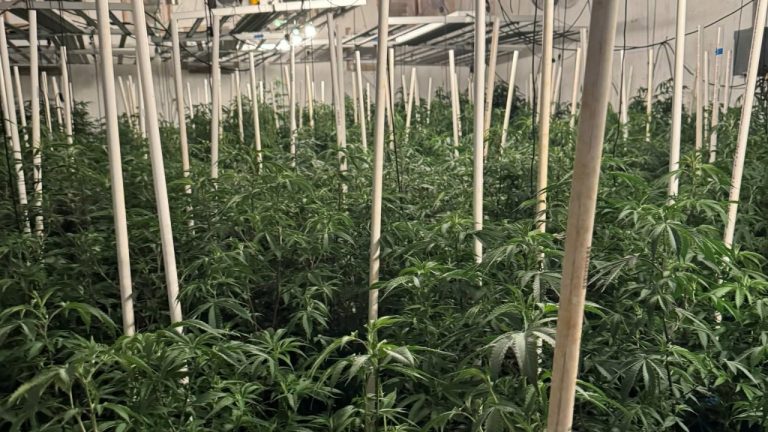
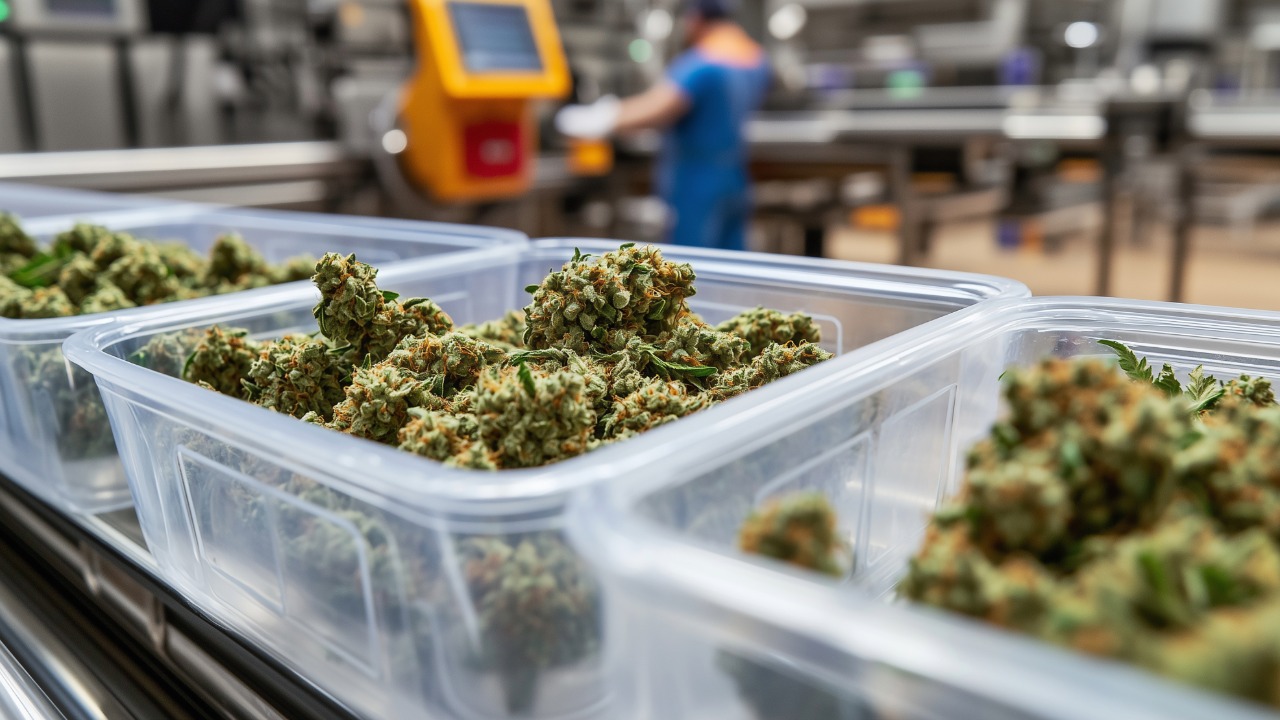
Washington’s cannabis industry generates roughly $1.1 billion in annual sales but continues to struggle with oversupply, falling prices and consolidation. The state also imposes a 37% excise tax on recreational marijuana sales.
A 2025 state legislative audit found that Washington producers were growing two to three times more cannabis than licensed retailers sold, contributing to intense competition and pressure on producers.
Public Support Crosses Party Lines
Cannabis reform also enjoys substantial public support.
A May 2026 Pew Research Center survey found that 88% of Americans support legalizing marijuana for medical or recreational purposes. Other national polling has found majority support for legalization across Democrats, Republicans and independents.
NORML Political Director Morgan Fox said the incoming Congress should act on that public support.
“The fate of federal marijuana policy should not be left in the hands of bureaucrats and judges. It is Congress who initially prohibited marijuana and it is Congress who ultimately needs to abolish this failed federal policy, specifically by descheduling cannabis and by passing other reforms that provide real-world relief and protections for millions of responsible consumers.”
— Morgan Fox, NORML Political Director
Fox said NORML hopes Democrats will provide the leadership and bipartisan cooperation needed to advance meaningful reforms.
The incoming Congress will take office in January 2027. Although Democratic control improves the prospects for federal cannabis legislation, passage is not guaranteed.
For Washington’s cannabis businesses, the coming session could be an important opportunity to address longstanding financial and regulatory disadvantages.
Frequently Asked Questions
About the Author