

Washington Attorney General Nick Brown is suing over federal Endangered Species Act changes set to take effect Sept. 14.
OLYMPIA, Wash. — Just five days before new federal Endangered Species Act rules take effect, Washington Attorney General Nick Brown and 20 other attorneys general are suing the Trump administration over changes to federal protections for endangered species and their habitat.
Brown is co-leading the lawsuits with the attorneys general of California, Maryland and Massachusetts. The states argue the new rules violate the Endangered Species Act, the Administrative Procedure Act and the National Environmental Policy Act.
One lawsuit challenges the federal government’s decision to rescind the longstanding regulatory definition of “harm.” The other challenges changes involving protections for threatened species and the designation of critical habitat.
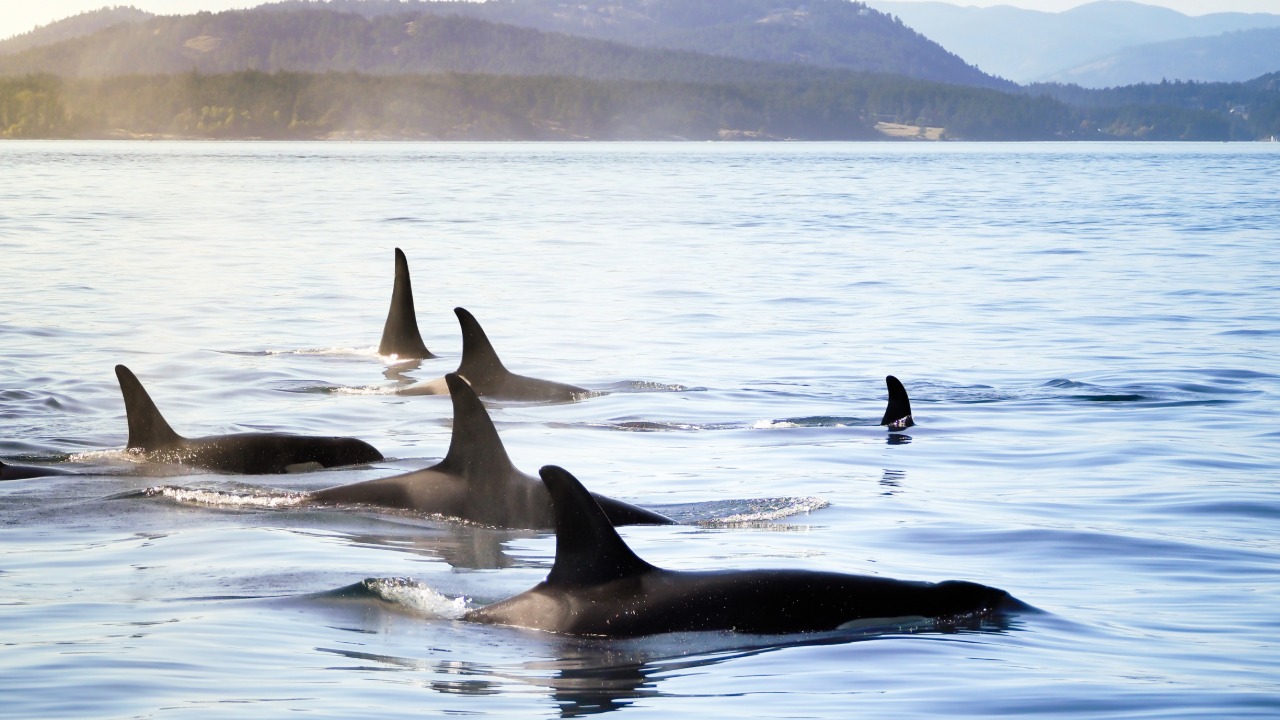
“The federal government’s attempt to gut the Endangered Species Act threatens the habitats of orcas, sockeye salmon, and other endangered species that are part of our economy, culture, and way of life.”
— Washington Attorney General Nick Brown
What the new rules change
The federal government finalized the rule removing the regulatory definition of “harm” in July. The change is scheduled to take effect Sept. 14.
Under the previous regulation, “harm” included significant habitat modification or degradation that actually killed or injured wildlife by significantly impairing essential behavioral patterns such as breeding, feeding or sheltering.
The Interior Department says the previous definition went beyond the language Congress included in the Endangered Species Act and created unnecessary burdens for landowners, businesses and communities.
“For years, federal agencies abused the ESA to obstruct lawful land use and burden American families and businesses.”
— Interior Secretary Doug Burgum
The department said the new rule does not eliminate the ESA’s core protections. Direct actions that kill or injure listed wildlife remain prohibited, and existing permits and incidental take statements remain in effect.
Commerce Secretary Howard Lutnick said the changes are intended to reduce regulatory burdens while maintaining the law’s conservation goals.
The administration based the regulatory change in part on the U.S. Supreme Court’s 2024 decision in Loper Bright Enterprises v. Raimondo, which ended the longstanding judicial doctrine requiring courts to defer to reasonable agency interpretations of ambiguous federal statutes.
Washington’s orcas and salmon
Washington officials say habitat protections are particularly important to the state’s endangered Southern Resident killer whales and threatened salmon populations.
The Southern Resident population was listed as endangered under the ESA in 2005. NOAA Fisheries identifies Chinook salmon as particularly important to the whales’ survival and recovery. The whales feed heavily on Chinook salmon in the Salish Sea, including Chinook from the Fraser, Skagit and Snohomish river systems.
NOAA has designated critical habitat for the Southern Residents, including inland Washington waters and coastal waters extending south to Point Sur, California. The designation recognizes the importance of habitat that provides the whales with access to sufficient prey.
Puget Sound Chinook salmon are themselves listed as threatened under the ESA. NOAA says protecting and restoring salmon habitat is part of the recovery effort for those fish.
The Southern Resident population has declined from 98 whales in 1995. NOAA’s most recent information cited by Washington officials puts the population at 74 whales.
Critical habitat rules also challenged
The second lawsuit challenges two additional federal changes.
One ends the automatic application of broad protections to newly listed threatened species. Under the revised approach, the Fish and Wildlife Service would establish protections for newly threatened species on a species-by-species basis.
The second changes how the agency designates critical habitat. Washington and the other states argue the new process makes it easier to exclude areas from critical habitat, including federal lands that endangered species may rely on.
The states argue those changes could make habitat loss more likely to affect species already facing population declines.
The administration disputes that characterization, saying the revisions restore the Endangered Species Act to what federal officials consider its original statutory purpose while reducing unnecessary regulatory burdens.
The lawsuits were filed Wednesday in federal court. The coalition includes attorneys general from Arizona, Colorado, Connecticut, Delaware, the District of Columbia, Hawaii, Illinois, Michigan, Minnesota, New Jersey, New Mexico, New York, Oregon, Rhode Island, Vermont, Virginia and Wisconsin.
Frequently Asked Questions
Washington is challenging new federal rules that change how the Endangered Species Act protects threatened and endangered species and their habitat.
About the Author




1 thought on “Washington Sues Over Endangered Species Act Changes”