

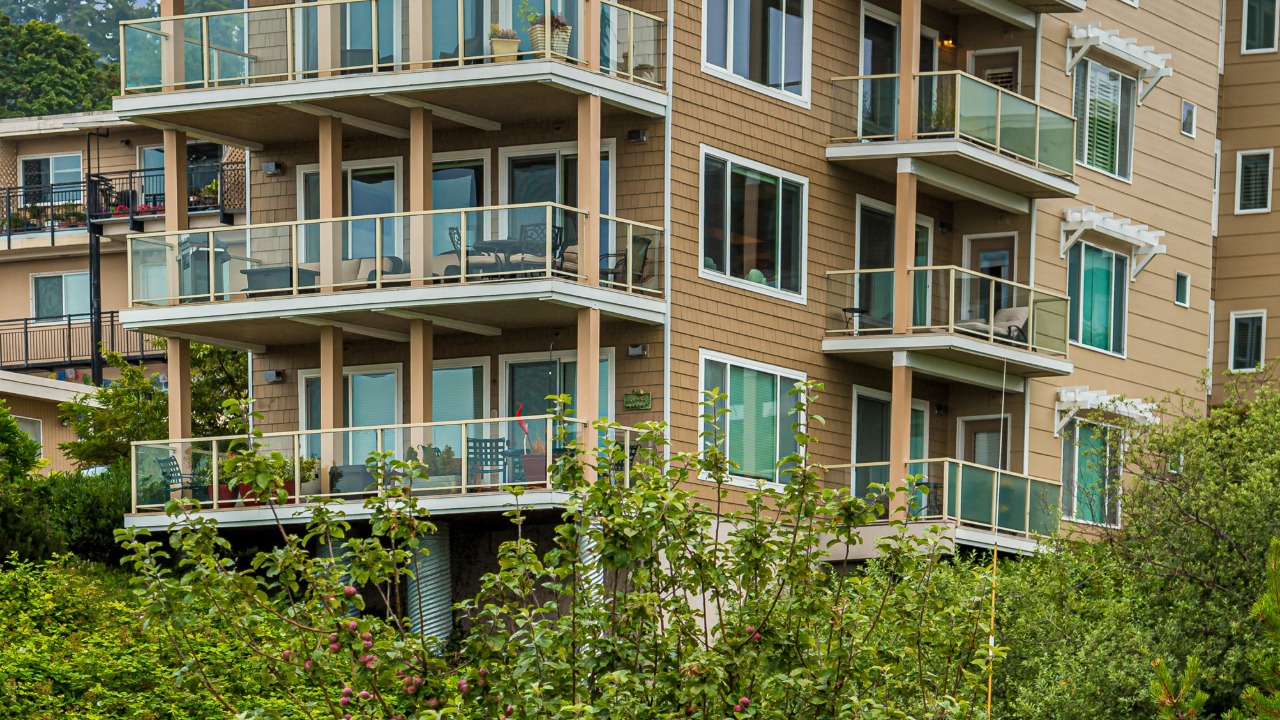
Bellingham apartment rent now averages below the national average, but gas, utilities and inflation are eating those gains.
BELLINGHAM, Wash. — Here’s a sentence that would have sounded absurd three years ago: renting an apartment in Bellingham is now cheaper than the national average.
As of May 2026, the average apartment rent in Bellingham sits at roughly $1,571 per month, about $70 below the U.S. national average of $1,642, according to Apartments.com. One-bedroom units generally run between $1,420 and $1,600. Two-bedrooms average $1,720 to $1,890.
For a city that spent the better part of the post-pandemic era watching rents explode alongside Seattle’s shadow, that number is striking. And it didn’t happen by accident.
The Plan and What It Did
In November 2024, Mayor Kim Lund signed a Housing Executive Order that set off one of the most aggressive local housing pushes in Bellingham’s recent history. The order wasn’t a single policy. It was a reset.
“As mayor, I see every day how the lack of housing supply holds us back from being a thriving community,” Lund said in February. “We know we need homes of all shapes and sizes.”
The city eliminated parking minimums citywide, expanded what the city called “middle housing” across all residential neighborhoods, streamlined permitting and expanded tax incentives for multifamily development. Middle housing covers the range between single-family homes and large apartment complexes: duplexes, triplexes, townhomes and accessory dwelling units.
The results in the permit numbers are hard to argue with. Bellingham issued permits for 711 residential units in 2025, up from 534 in 2024 and 422 in 2023. An approximately 800-unit redevelopment is now underway in Old Town. Projects that had stalled over costs, like The Manning in Barkley Village, 142 apartments, five townhomes and ground-floor retail, got moving again once the city’s Multi-Family Tax Exemption program was retooled. Rent growth has slowed from roughly 3.4% annually in 2024 to less than 1% entering 2026. By the numbers, the housing side of Bellingham’s affordability crisis is genuinely improving.
Why It Still Doesn’t Feel That Way
If you live here, you already know the problem with that headline. The overall cost of living in Bellingham runs roughly 15% to 23% above the national average.
Gasoline hit approximately $5.70 per gallon this spring, among the highest averages in the country. The city implemented a 13.5% increase in water, sewer and stormwater rates in early 2026. Local bus fares doubled in fall 2025, from $1 to $2 per ride. Healthcare, food and insurance are all trending the same direction.
Economists estimate that cumulative inflation since 2023 has eroded purchasing power by roughly 8.5%.
In practical terms, $100 in 2023 buys about $91.50 today. So the math for many Bellingham households looks something like this: save a little on slowing rent, lose most of it back at the pump, the utility box and the checkout line. That gap, between what the data shows and what daily life feels like, is where much of the frustration lives.
You can build your way toward affordability in a place like that. You can’t build your way out of the geography.
— PNW Daily
The City’s Geography Problem
There’s another reason Bellingham will never be cheap, and policy can only do so much about it.
The city sits on the waterfront between Seattle and Vancouver, B.C., two of the most expensive metro areas on the West Coast. It has Puget Sound access, mountain proximity, a university, a functioning downtown and a reasonable commute window to major economic centers. That combination creates durable, structural demand that doesn’t respond to ordinances.
You can build your way toward affordability in a place like that. You can’t build your way out of the geography. What the city’s reforms appear to be doing is slowing the climb rather than reversing it. Given where Bellingham was headed, that may be exactly what success looks like at this stage.
The Critique That Won’t Go Away
Not everyone is ready to call it a win. The Bellingham Tenants Union has argued that the executive order addressed supply while doing little for the renters struggling right now. Their ongoing demands include rent control, still banned under state law, and an end to the city’s “Rule of Three,” which prohibits more than three unrelated people from sharing a residence.
Critics also note that the headline projects enabled by these reforms operate on long timelines. The Old Town redevelopment, for instance, is a private development projected to unfold over the next decade. A renter being priced out today isn’t waiting 10 years for relief. The tension is real: supply-side housing reform is a long game. Affordability crises tend to be urgent.
The Bottom Line
Bellingham’s housing reforms are producing results that show up in the data.
Rent growth has nearly flatlined. Permits are up significantly. Major projects are moving. But data and lived experience are two different things, and right now they’re telling two different stories.
For renters and working families here, the full picture is a city where one front of the affordability fight is showing real progress, while everything around it keeps getting more expensive. That’s not a failure. It’s also not a finish line.
About the Author


1 thought on “Bellingham Rent Drops Below National Average But Costs Rise”