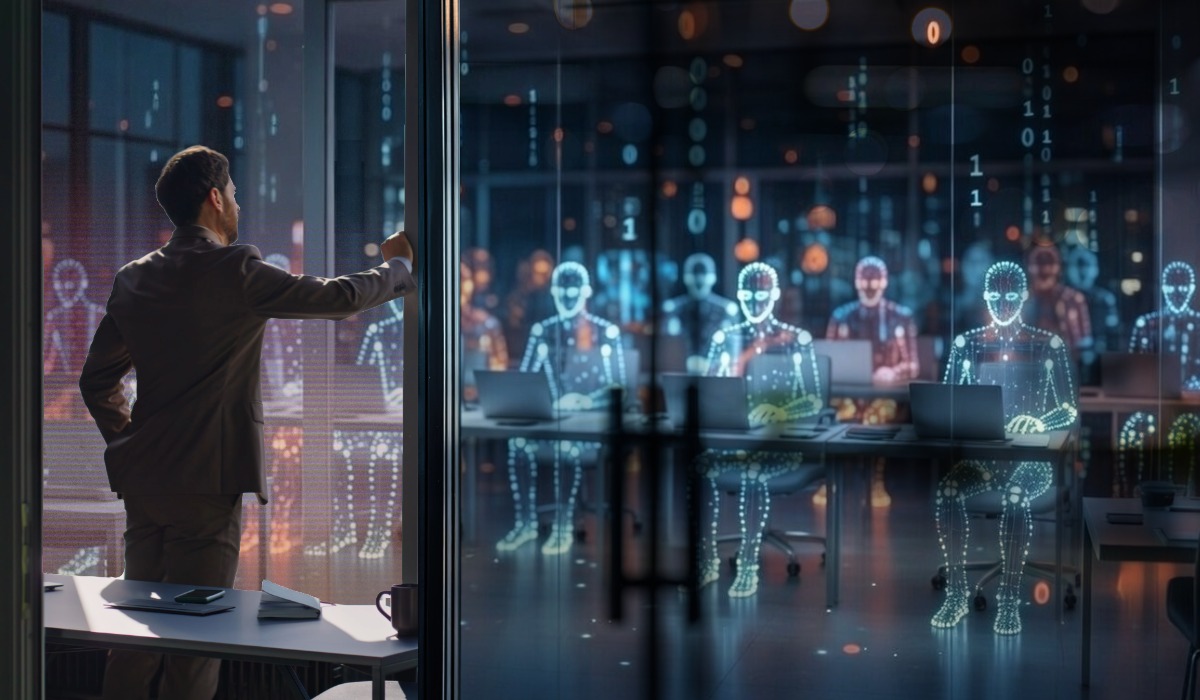
SEATTLE — For years, workers were told artificial intelligence would eventually disrupt jobs, maybe in 10 or 20 years.
Well, buckle up because, “The Future is Now…“
This week, several major U.S. companies announced tens of thousands of job cuts citing automation and artificial intelligence. Others are quietly just moving to free up enough capital to invest in both heavily in 2026.
Amazon’s Layoffs Land Hard in Washington
Amazon confirmed it will cut 16,000 corporate jobs, a move that carries immediate consequences for Washington state, where the company employs a large share of its corporate and technical workforce.
As a result, the cuts target white-collar roles and layers of management as Amazon restructures how work gets done. Although the company said it will continue hiring in select areas, the scale of the layoffs signals a fundamental change in how it staffs its business.
For the Puget Sound region, the impact extends beyond Amazon employees. Large-scale corporate layoffs often affect housing, local businesses, and competition for remaining tech jobs.
However, Amazon Was Not Alone
Amazon’s announcement did not stand by itself.
In the same week, multiple large employers across different industries confirmed significant job cuts. Together, the announcements point to a broader shift underway.
- Dow said it will eliminate 4,500 jobs, citing automation, artificial intelligence, and weaker demand in parts of its business.
- Pinterest disclosed a workforce reduction affecting up to about 15 percent of its employees as part of a restructuring tied to shifting priorities, including AI.
- Home Depot cut roughly 800 corporate roles, saying it is streamlining corporate operations.
- Autodesk announced layoffs affecting about 1,000 employees, tied to changes in how it sells and supports its software.
Although these companies operate in manufacturing, retail, and technology, the timing and reasoning behind the cuts look notably similar.
In Plain Terms, AI Is Replacing Work
Across these announcements, a clear pattern emerges.
Several companies pointed directly to automation and artificial intelligence as reasons they no longer need as many workers. Amazon said technology allows teams to move faster with fewer layers. Similarly, Dow said automation and AI now allow it to operate with fewer employees. Meanwhile, Pinterest and Autodesk said they are shifting resources toward AI-driven priorities. Home Depot said it is simplifying corporate operations.
In short, companies are saying the same thing in different ways: software now performs work that once required teams of people.
Meanwhile, Seattle Tech Has Been Moving This Way
Importantly, this shift did not start this week.
Over the past year, other major tech employers with a strong presence in the Seattle area have reduced staff or signaled similar changes. For example, Meta has disclosed layoffs tied to its Reality Labs division, including cuts affecting Washington workers. In addition, Expedia Group has filed notices for layoffs at its Seattle headquarters. Microsoft has also reduced headcount in recent years while continuing to invest heavily in artificial intelligence.
Therefore, Amazon’s announcement stands as the largest and most visible move, but it fits a pattern that has been forming across the region.
The Warning Was Real, but the Timeline Was Wrong
For years, workers heard warnings that artificial intelligence would eventually reshape the workforce.
What many did not hear was how quickly that shift would arrive.
The jobs being cut now are not limited to factories or warehouses. Instead, they include corporate roles, planners, analysts, recruiters, designers, and layers of middle management once considered stable.
Notably, these layoffs do not stem from a single economic crisis. Many of the companies announcing cuts remain profitable and continue hiring in narrow areas. They are cutting jobs because they believe they no longer need as many people.
As a Result, the Job Outlook Has Changed
Taken together, this week marks a turning point in how large employers treat labor.
The assumption that job losses from artificial intelligence belonged to the distant future no longer holds. Instead, companies are acting as if that future has already arrived.
For workers in Washington and across the country, the message has become unmistakable:
AI-driven job cuts are not coming someday. They are happening now.
About the Author