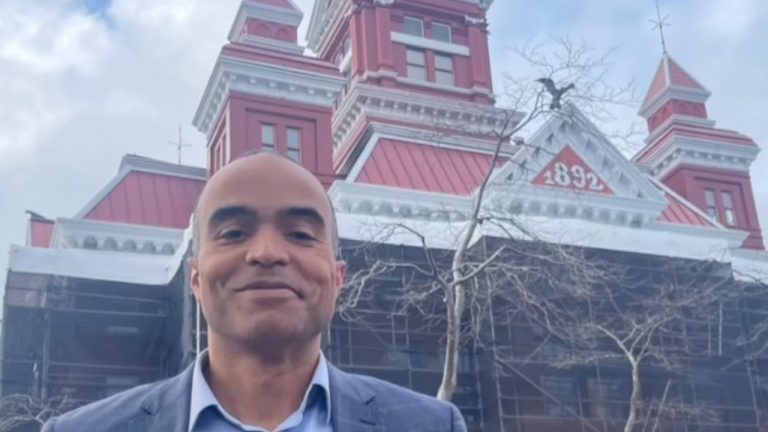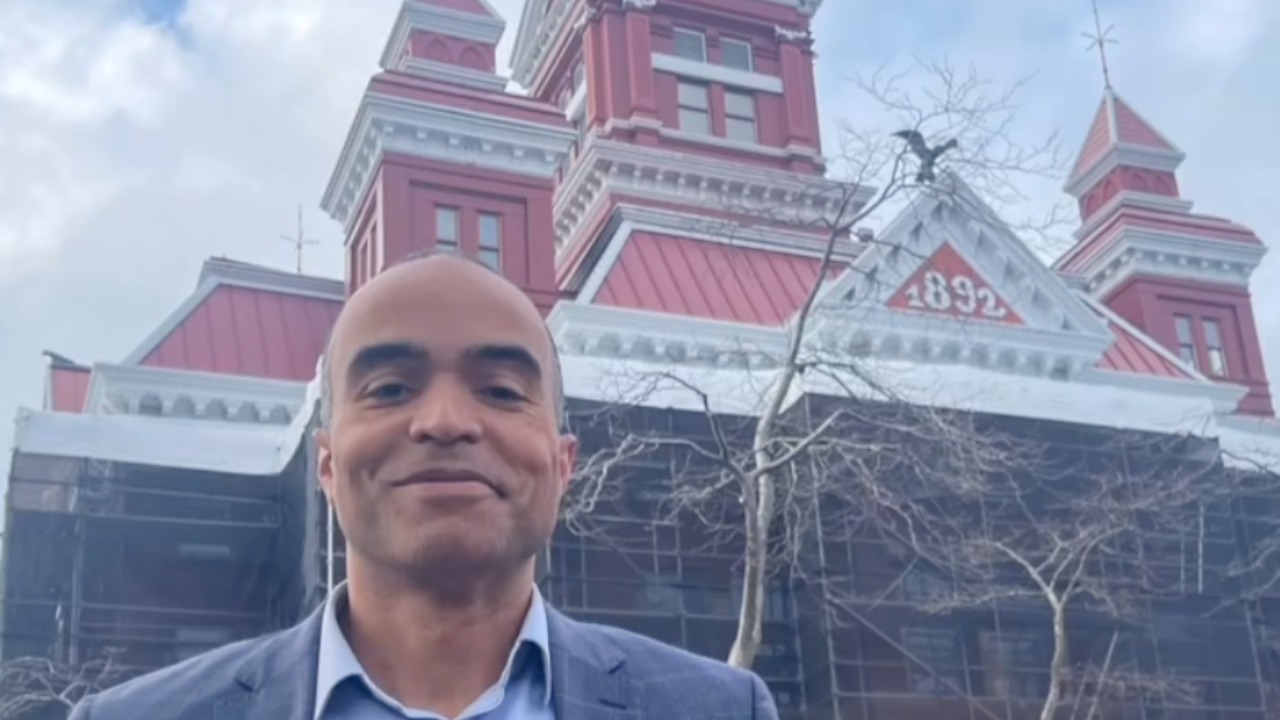
Attorney General Nick Brown stands outside the Whatcom County History Museum in downtown Bellingham in November 2023. (Photo: Nick Brown/Instagram)
BELLINGHAM, Wash. — If you’re preparing to donate to charities during the holiday season, take time to verify where their money is going before responding to donation requests state officials warned Monday.
The Washington Attorney General’s Office and Secretary of State’s Office are using International Charity Fraud Awareness Week, Nov. 16-22, to remind residents that scammers often exploit people’s generosity through deceptive fundraising campaigns and fraudulent charity solicitations.
“Real charities put in the work to prove that donated money is actually going to benefit those in need. My office has the information you need to make sure your money is actually going toward a good cause.”
— Secretary of State Steve Hobbs
This year’s campaign carries the message: “Pause. Check the Cause.”
The advice is particularly important during the holiday giving season, when charitable organizations increase fundraising efforts and donors encounter more requests for financial support. Officials also warn that scammers may take advantage of public generosity following major tragedies and disasters.
Attorney General Nick Brown encouraged residents to continue supporting charitable causes while taking steps to verify the organizations requesting donations.
“We want to encourage the generosity and commitment to helping others that Washingtonians are known for. Follow these tips to help ensure your donation goes to the charity you want to support. And if you encounter a possible scam, please report it to our office.”
— Attorney General Nick Brown
How to Check a Charity Before Donating
State officials recommend researching an organization before making a donation. Washington charities generally must register with the Secretary of State’s Office, which maintains information donors can use to evaluate organizations.
The registration database can help donors identify a charity’s location and see what percentage of its spending goes toward its charitable purpose. Registration does not mean the Secretary of State endorses the organization.
Donors should also verify that an organization qualifies as tax-exempt before contributing.
Warning Signs of Charity Fraud
The Attorney General’s Office recommends watching for several common tactics scammers use to obtain donations:
- High-pressure requests: Be cautious of solicitations demanding immediate donations or asking for sensitive personal information. Legitimate fundraising requests should allow time for research.
- Imposter organizations: Scammers sometimes use names that closely resemble established charities. Check website addresses carefully for small spelling differences or other signs of fraudulent websites.
- Suspicious QR codes: Fraudulent QR codes can direct donors to fake fundraising campaigns or malicious websites. Only scan codes from trusted sources, verify the destination address and check that the website uses HTTPS before proceeding.
- Requests for banking information: Never provide banking information over the phone or in response to unsolicited emails or text messages. State officials also advise donors to avoid using tap-to-pay when making charitable contributions.
- Unverified crowdfunding campaigns: Consider supporting established, verified charitable organizations rather than responding to unfamiliar crowdfunding appeals.
Anyone who encounters a suspicious charitable solicitation can file a complaint with the Washington Attorney General’s Office.
Disaster Relief Donations Also Require Caution
Officials say donors should be especially careful following high-profile tragedies, when emotional appeals and urgent requests for assistance can encourage people to give without verifying the recipient.
Earlier this year, the Attorney General’s Office issued warnings about fraudulent fundraising solicitations following destructive fires in Spokane and the Longview paper mill disaster.
Scammers can use those events to create fake charities or impersonate legitimate organizations seeking donations for affected families and communities.
Washington residents can research charitable organizations through the Secretary of State’s charity registration resources and find additional consumer protection information through the Attorney General’s Office.
The Attorney General’s Office also provides an online consumer complaint form.
Frequently Asked Questions
About the Author