A Colorado resident died from hantavirus as Washington confirms a Chelan County case. CDC says neither is linked to the Andes virus cruise ship outbreak.
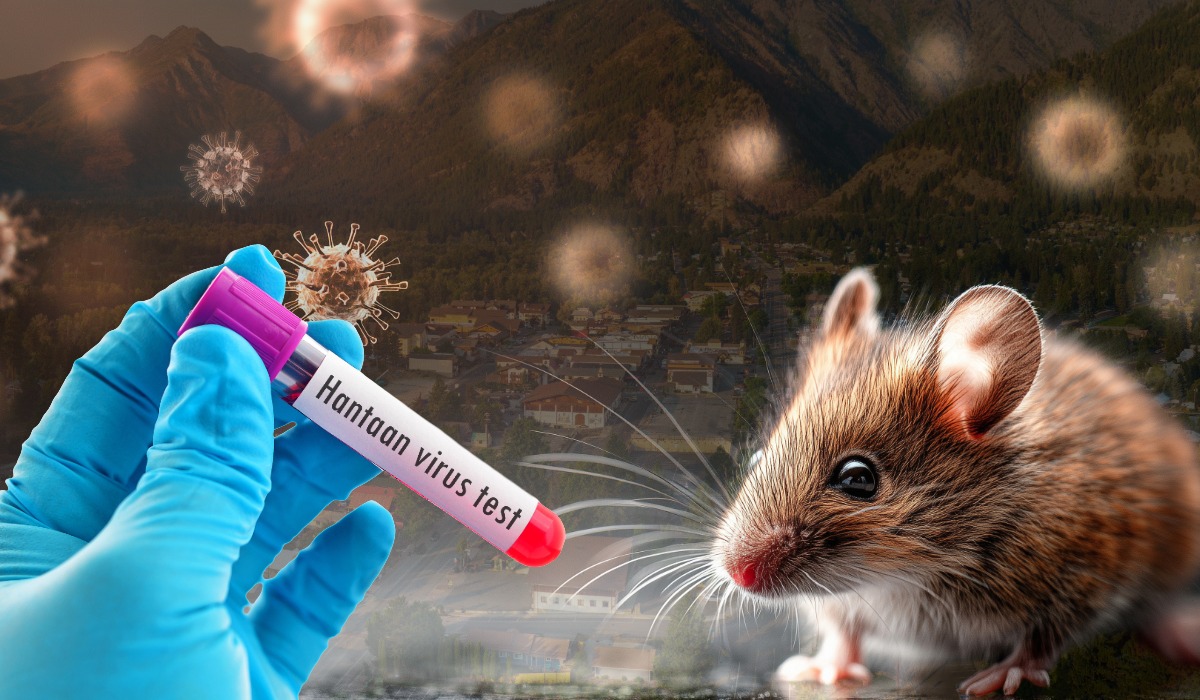
BELLINGHAM, Wash. — A Douglas County, Colo., resident has died from hantavirus, health officials confirmed May 16. The death comes as Washington state reported its own case in Chelan County and federal officials warn Americans not to confuse either case with the Andes virus outbreak tied to the MV Hondius cruise ship.
Health officials emphasized that the Colorado and Washington cases involve Sin Nombre virus, the strain most commonly found in the western United States, while the international cruise ship outbreak involved Andes virus, a separate strain linked to South America.
Two Strains, Two Very Different Risks
“The Andes virus, which is a strain of hantavirus causing this outbreak, is the only known hantavirus to spread person to person,” CDC incident manager Dr. David Fitter said during a May 15 media briefing.
Federal officials stressed no Andes virus cases had been confirmed in the United States during the ongoing monitoring effort connected to the cruise ship exposure.
“There are no hantavirus cases in the United States currently,” Dr. Jay Bhattacharya, the senior official carrying out the delegable duties of the CDC director, said during the briefing. “I’ll emphasize that the risk to the general public remains extremely low.”
Bhattacharya later clarified federal officials were specifically referring to Andes virus cases connected to the outbreak investigation.
“So currently in the United States, there are no cases of the hantavirus that is causing this outbreak,” Bhattacharya said. “The Andes virus is found throughout much of Argentina and Chile.”
Washington Confirms Chelan County Case
The CDC briefing came as Washington health officials confirmed a laboratory-confirmed Sin Nombre virus hantavirus case in a Chelan County resident on May 15.
“The Chelan-Douglas Health District is notifying the community that a lab-confirmed case of Sin Nombre virus (SNV) Hantavirus has been identified in a Chelan County resident,” the Chelan-Douglas Health District stated in its release.
The health district said the Washington case was unrelated to the international cruise ship outbreak.
“There is no connection between this case and the recently reported Andes Virus Hantavirus cases associated with the MV Hondius cruise ship,” the release stated.
Exposure likely occurred near the resident’s home where mice had been encountered, according to Chelan-Douglas Health District officials.
“Hantavirus infections are rare, but they can be severe,” Dr. James Wallace, public health officer for the Chelan-Douglas Health District, said in the release. “Counties in north central Washington do see occasional cases. There are typically one to five cases of Sin Nombre virus Hantavirus per year in Washington residents, seen throughout the state.”
Wallace said simple precautions during spring cleaning and rodent cleanup can significantly reduce exposure risk.
Seasonal Cases Are Separate From the Cruise Ship Outbreak
Federal officials also warned Americans not to confuse routine U.S. hantavirus cases with the Andes virus outbreak investigation tied to the cruise ship.
“Other hantaviruses, particularly Sin Nombre Virus, naturally occur in the United States,” Fitter said during the CDC briefing. “Infections caused by these hantaviruses typically increase during the spring and summer months.”
“These are not hantaviruses that are transmitted person to person however,” Fitter continued. “As we approach these seasons, you may hear reports of hantavirus infections in the United States. It is important for everyone to understand that these routine seasonal cases are separate from the MV Hondius outbreak.”
How Infection Spreads — How to Stay Safe
People most commonly get infected after breathing in airborne virus particles stirred up from rodent droppings, urine or nesting materials, particularly in enclosed spaces such as sheds, garages, barns, crawl spaces, cabins and campers.
Symptoms often begin with fever, fatigue, muscle aches and nausea before progressing to coughing, chest tightness and difficulty breathing. Hospitalization is frequently required.
“It is a serious disease and about one out of three people diagnosed with HPS have died,” the Chelan-Douglas Health District stated.
Health officials recommend residents avoid sweeping or vacuuming rodent droppings, air out enclosed spaces before cleaning, disinfect contaminated areas and wear gloves and respiratory protection during cleanup efforts.
Frequently Asked Questions
About the Author