

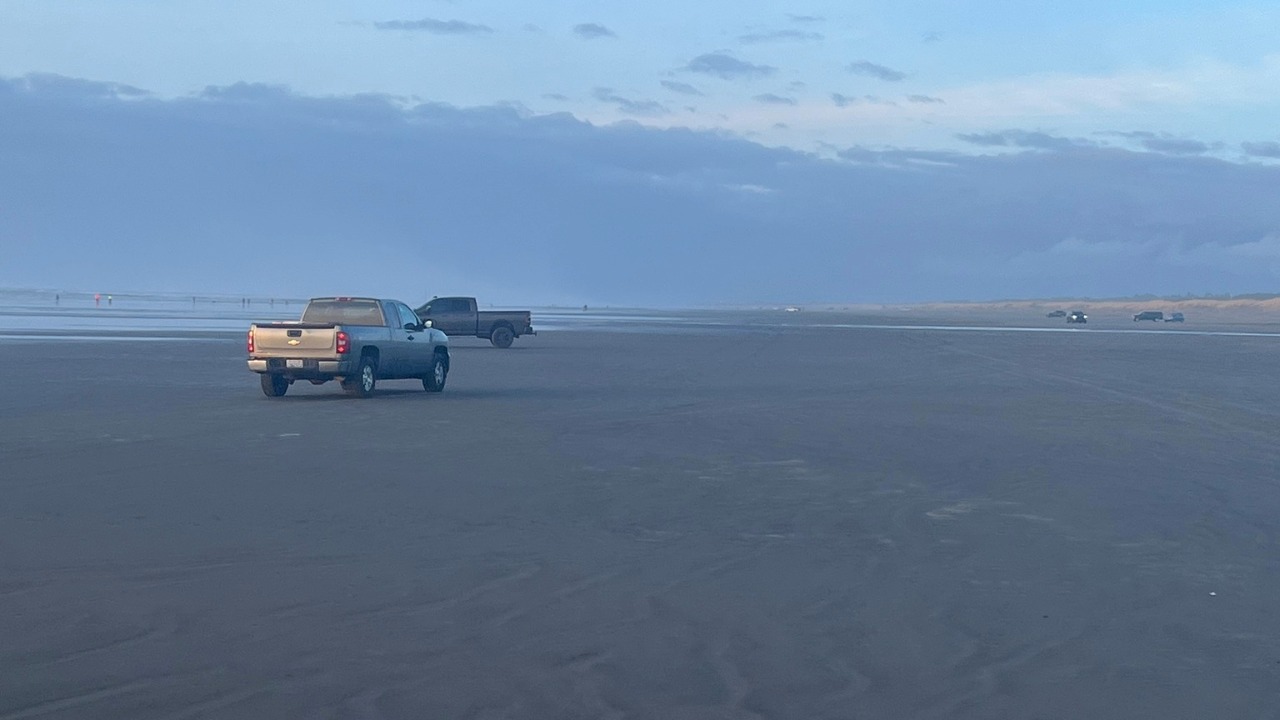
Washington opens new razor clam digs Jan. 15–21 as WDFW adjusts Puget Sound beach seasons and cites a man for illegal overharvest. (WDFW Police)
PACIFIC COUNTY, Wash. — A recent enforcement case on the Washington coast underscores why state officials are tightening rules and adjusting seasons for recreational shellfish harvesters ahead of the 2026 season.
Washington Department of Fish and Wildlife police cited a Pacific County man after he admitted to illegally harvesting nearly twice the legal limit of razor clams. The case comes as WDFW opens a new round of coastal razor clam digs while temporarily closing or adjusting seasons on several Puget Sound beaches.
Illegal Harvest Leads to Criminal Citation
Fish and Wildlife Officer Garrison observed the man harvesting razor clams during a recreational dig. After counting his catch, the officer noted the harvester had taken 16 clams, one over the legal limit of 15.
Rather than contact him immediately, Garrison continued to watch. The man left the beach, then returned later in the same clothing and began digging again.
Garrison approached him and asked if one limit was not enough. The man admitted it was not, saying the digging was good and he “didn’t think any cops were watching.”
The harvester later told the officer he had already taken his first 15 clams home, frozen them, and returned to dig another limit. Officers cited him criminally for harvesting 29 razor clams.
State law defines a daily limit as the first 15 clams dug, regardless of size or condition. Harvesters must keep their clams in separate containers.
Razor Clam Digs Approved for Jan. 15–21
WDFW has approved razor clam digs on multiple coastal beaches from Jan. 15 through Jan. 21, after marine toxin tests confirmed the clams are safe to eat.
Digging is allowed from noon through 11:59 p.m. on the following dates and beaches:
Jan. 15 (Thursday), 4:35 p.m., 0.4 feet: Long Beach, Twin Harbors, Mocrocks
Jan. 16 (Friday), 5:14 p.m., 0.0 feet: Long Beach, Twin Harbors, Copalis
Jan. 17 (Saturday), 5:50 p.m., -0.3 feet: Long Beach, Twin Harbors, Copalis
Jan. 18 (Sunday), 6:24 p.m., -0.5 feet: Long Beach, Twin Harbors, Mocrocks
Jan. 19 (Monday), 6:57 p.m., -0.5 feet: Long Beach, Twin Harbors, Mocrocks
Jan. 20 (Tuesday), 7:29 p.m., -0.4 feet: Long Beach, Twin Harbors, Copalis
Jan. 21 (Wednesday), 8:01 p.m., -0.1 feet: Long Beach, Twin Harbors, Copalis
Open Razor Clam Beaches
The following coastal areas are open during approved digs:
- Long Beach: Columbia River to Leadbetter Point
- Twin Harbors: Cape Shoalwater to the south jetty at Grays Harbor
- Copalis Beach: Grays Harbor north jetty to the Copalis River, including Ocean Shores, Oyhut, Ocean City, and Copalis
- Mocrocks Beach: Copalis River to the southern boundary of the Quinault Reservation, including Iron Springs, Roosevelt Beach, Pacific Beach, and Moclips
Permanent Closure Areas Still in Effect
Digging remains illegal in designated razor clam reserve areas marked with metal posts and signage:
- Copalis Beach Reserve: From 0.4 miles south of the Ocean City approach (Second Avenue), extending south for one-quarter mile
- Long Beach Reserve: Beginning 2.7 miles north of the Oysterville approach, extending north for one-quarter mile
Puget Sound Beach Closures and Adjusted Openings
WDFW has also issued an emergency rule adjusting early 2026 seasons for clams, mussels, and oysters on nine Puget Sound beaches. The changes take effect immediately and remain in place until further notice.
The agency said the temporary rule allows officials to make necessary changes before permanent 2026 season rules take effect later this spring.
Closed Until Further Notice
- Fort Flagler State Park (Jefferson County): Closed Jan. 15
- Indian Island County Park/Lagoon Beach (Jefferson County): Closed Jan. 1
- Penrose Point State Park (Pierce County): Closed Jan. 1
- Port Townsend Ship Canal/Portage Beach (Jefferson County): Closed Jan. 1
- Purdy Spit (Pierce County): Closed Jan. 1
Closed Jan. 1–14, Then Open Jan. 15
- Quilcene Boat Ramp (Jefferson County)
- Shine Tidelands State Park (Jefferson County)
- Wolfe Property State Park (Jefferson County)
Oyster-Specific Closure
- Point Whitney Tidelands and Point Whitney Lagoon (Jefferson County): Closed Jan. 1–14, open Jan. 15
Why WDFW Made the Changes
WDFW said the emergency rule allows the agency to adjust opening dates ahead of permanent 2026 season rules, which are still moving through the formal rulemaking process.
The department said it must also meet co-management obligations with tribal partners while ensuring sustainable harvest levels.
Final 2026 seasons will be announced later this spring.
What Harvesters Should Know
- The daily razor clam limit is 15 clams per person
- The limit consists of the first 15 clams dug, regardless of size
- Each digger must keep their clams in a separate container
- Harvesting outside approved dates or in closed areas can result in criminal charges
PNW Daily reminds folks not all beaches are safe for harvesters, so check current beach status and marine toxin updates before heading out.
About the Author



1 thought on “Enforcement Case Highlights Importance of New Emergency Rules”