Radio remains a critical national security tool. FCC, NAB, and rural AM/FM stations face choices in infrastructure, emergency alerts, and disaster resilience.
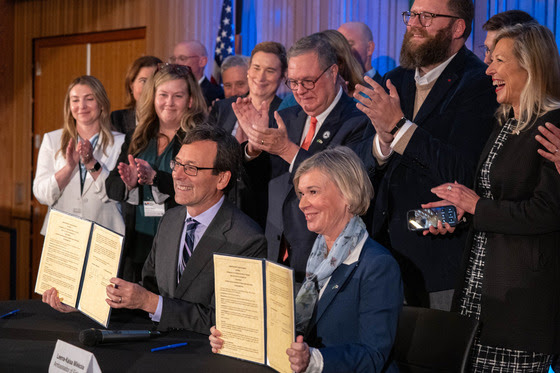
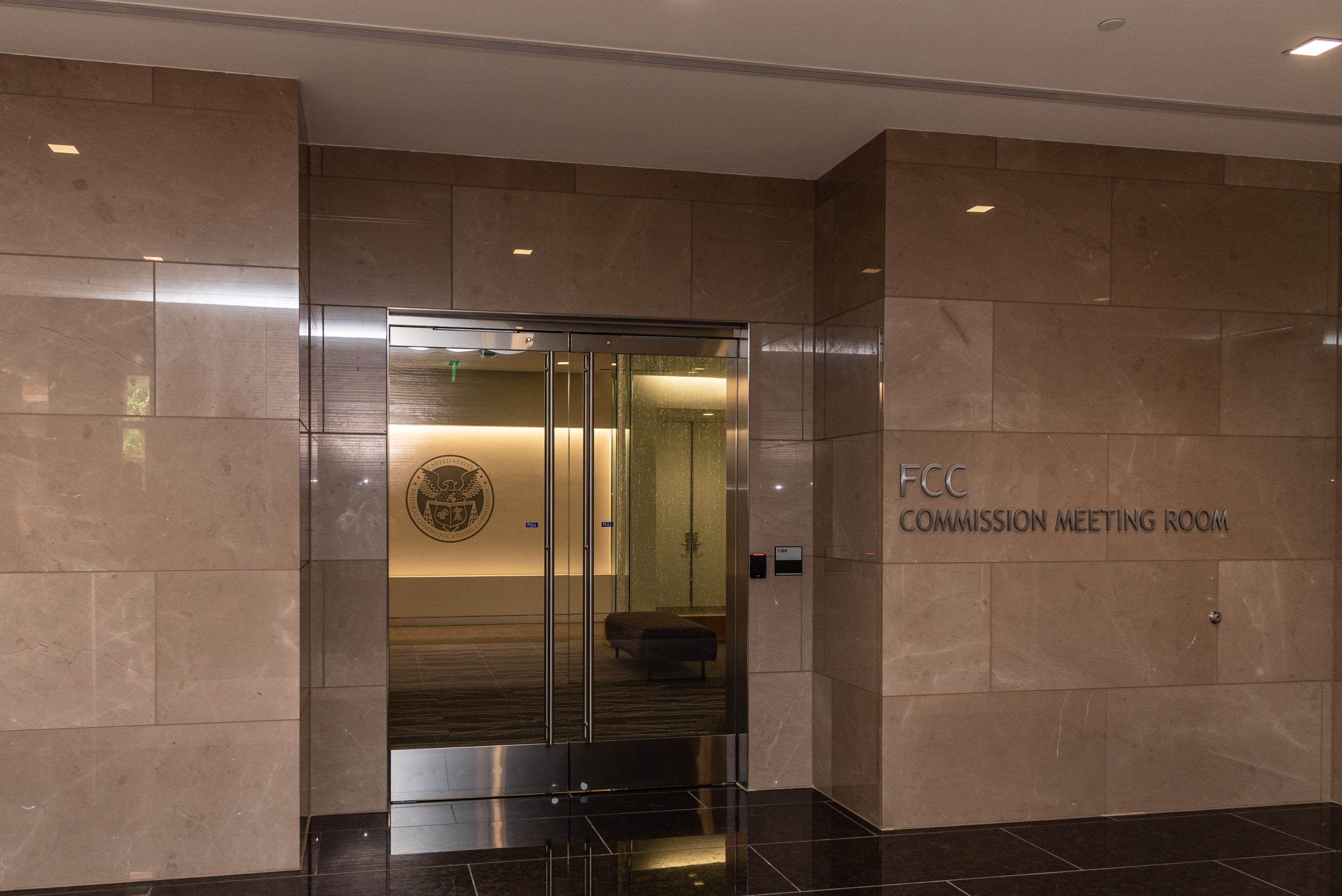
BLAINE, Wash. — The Federal Communications Commission named Dr. Jonathan Williams as its new chief economist on Jan. 5, 2026, amid growing calls from the National Association of Broadcasters (NAB) to loosen ownership rules and secure AM radio’s presence in vehicles. Experts say this could reshape the U.S. broadcast landscape and underscore radio’s role as a critical national security asset.
Williams, a University of North Carolina professor specializing in industrial organization and telecom economics, steps into the role as the FCC begins its quadrennial review of media ownership rules. Comments on the review closed in December 2025, with replies due Jan. 16, 2026, potentially setting the stage for the elimination of local radio caps and further consolidation.
NAB Pushes Deregulation Amid Declining Revenue
The NAB launched a major campaign in 2025 to modernize FCC rules, including national advertising initiatives and outreach by more than 500 broadcasters to Capitol Hill. In April, the organization filed an 80-page blueprint urging the deletion of ownership caps, equal employment mandates, and other regulations. By December, the NAB called for scrapping all local radio and TV limits, citing competition from streaming services.
Industry data shows the AM/FM market remains significant but under pressure. The market was valued at $41.14 billion in 2024 and is projected to reach $55.82 billion by 2033. Yet, small stations and FM translators, particularly in rural areas, struggle with aging infrastructure and deferred maintenance.
AM Radio Mandates and Emergency Preparedness
Alongside deregulation, Congress is advancing the AM Radio for Every Vehicle Act, a bipartisan bill requiring AM receivers in all new cars, including electric vehicles. The House Energy and Commerce Committee approved the measure in September 2025, with over two-thirds of representatives co-sponsoring it. Automakers have expressed concerns that mandates could hinder innovation and competitiveness.
NAB emphasizes the bill’s importance for emergency alerts, especially as EVs generate interference that can reduce AM reception. The legislation underscores radio’s continuing relevance for public safety and national security.
Radio’s Enduring Role in Crises
Broadcast radio has a documented history of delivering life-saving information during emergencies:
- World War II: AM and shortwave stations broadcast alerts and morale programs across borders.
- Cold War: Radio Free Europe delivered information behind the Iron Curtain.
- Modern disasters: Local stations stayed on air during Hurricanes Katrina, Irene, and Helene, guiding residents as cell networks collapsed. FEMA distributed radios to ensure residents could receive emergency information, demonstrating radio’s one-to-many resilience.
Analog AM/FM is inherently resilient to cyberattacks that disrupt IP-based systems. Stations can operate on generators, requiring no logins or network dependencies, and the distributed network provides geographic redundancy for national security applications.
Economic Pressures vs. Security Needs
The Telecommunications Act of 1996 accelerated consolidation, slashing staff and budgets at small stations while prioritizing corporate profits. Aging transmitters and deferred maintenance create fragility that threatens emergency communications.
Critics argue that additional deregulation may exacerbate these vulnerabilities, favoring short-term commercial gains over national preparedness. Experts suggest the public sector should invest in radio as a defense asset, including:
- Upgrading towers with backup power
- Subsidizing rural coverage redundancy
- Integrating independent operators into a coordinated emergency communications network
Such investments would cost far less than defense budgets or disaster relief efforts, and unlike broadband subsidies, they directly serve rural and underserved communities.
Looking Ahead: Balancing Profit and Preparedness
As Williams assumes his role advising on economic policy aligned with President Trump’s America First agenda, his pro-market research may favor deregulation. Yet, radio’s security value demands a broader view: this is not a failing business, but a proven, resilient public infrastructure.
Policymakers face a choice: prioritize profits and further consolidation, or treat radio as a life-saving, national security tool capable of serving Americans in future crises. History proves the cost of inaction: radio has saved lives before, and it could again.
About the Author