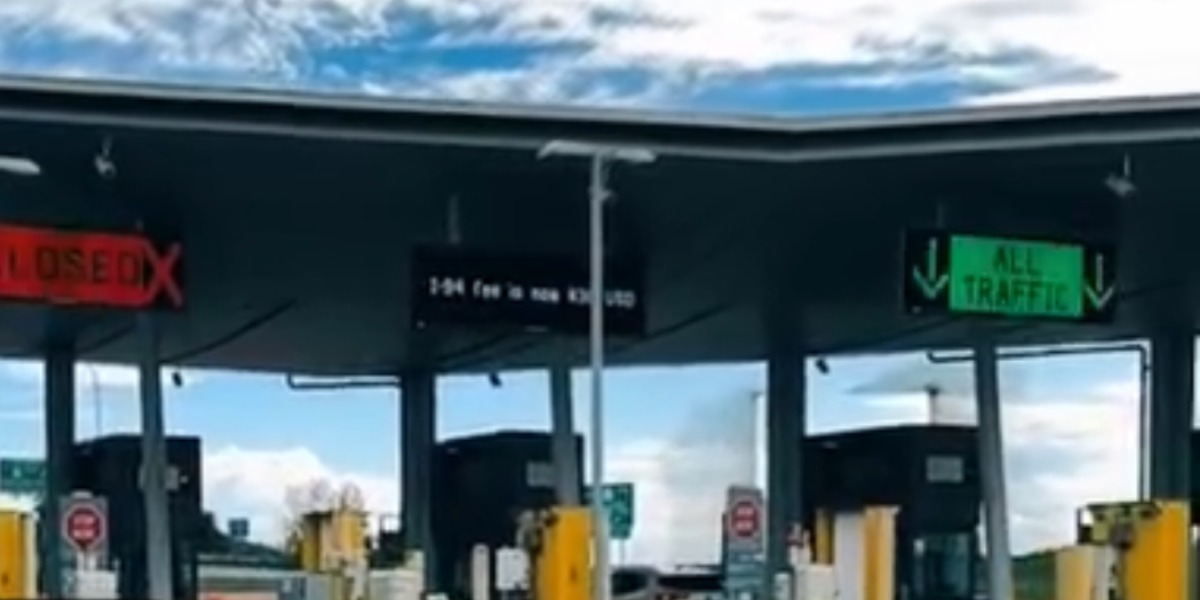
New i94 fee increase to $30 from $6 is displayed as you enter U.S.
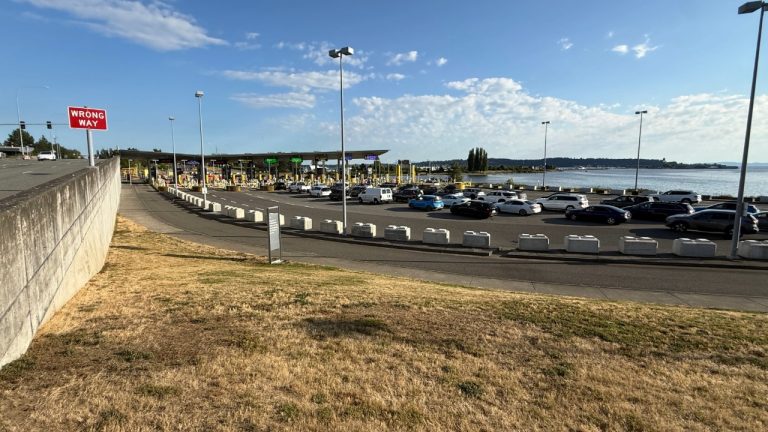
Blaine, WA — Across Whatcom County, Canadian travel into the United States through the I‑5 Peace Arch crossing is significantly lower in 2025 compared with previous years. Border crossing volumes from British Columbia into Washington have remained 21 to 36 percent lower year over year for most of the year.
Local business owners, chambers of commerce and elected officials point to political tensions, tariffs and border policy uncertainty as drivers of the decline, not just exchange rates. Surveys show many Canadian travelers cited U.S. politics, trade disputes and travel anxiety as reasons for canceling or postponing trips.
Blaine: Sharp Decline in Canadian Shoppers and Funding Strain
Blaine officials are very concerned about the drop in Canadian trafficand discussion during council meetings has centered around the dramatic numbers travelers heading south have dropped by about 50 percent, and that decline is cutting deeply into sales tax revenue that funds essential services such as policing.
Local retailers report dramatic declines. Gas stations and convenience stores historically relied on Canadians for fuel and shopping, but sales and foot traffic are substantially lower than in past years. Blaine industry leaders have described layoffs already occurring at local businesses due to the downturn in Canadian spending. The downtown area also was under construction much of the fall, which hampered access to downtown businesses.
Birch Bay: Local Retailers Face Reduced Canadian Customers
In Birch Bay, small business owners report losing a large portion of their Canadian customer base. One retailer said the business had lost about 50 percent of its customer base as Canadian tourism dropped, reflecting broader regional trends.
Bellingham: Tourism and Retail Hurt by Border Fear
In Bellingham, data from the Border Policy Research Institute and the Bellingham Regional Chamber of Commerce show that more than half of local businesses surveyed reported being directly impacted by the drop in cross‑border travel. Many rely on Canadian customers for a substantial share of their revenue.
Sales of general merchandise in Whatcom County were down 7 percent in the second quarter of 2025, hotel occupancy was down 3 percent, and participation by Canadian visitors in local events dropped sharply. Gas station convenience markets saw sales fall about 20 percent as Canadians stopped buying fuel in the U.S. at previous rates.
The decline in Canadian travel has also shown up in festival and event participation, including a substantial drop in Canadians at events like Ski to Sea, according to business surveys.
Why Canadians Are Staying Away
Border researchers and travel analysts say the steep decline in Canadian travel has political roots. Travel from Canada to the U.S. has been affected by rhetoric and policy uncertainty between the two nations, especially surrounding tariffs, trade disputes and political statements that have aggravated public sentiment in Canada.
A survey found that a large share of Canadians planned to cancel or delay U.S. travel in 2025, representing billions of dollars in lost economic activity. Canadian road trips into the U.S. have declined by 20 to 30 percent or more in key months compared to 2024.
Late December Traffic Increase
Since late December, our daily border live stream has shown an uptick in traffic. Much of this appears tied to ski travel, particularly after storms disrupted nearby routes such as Highway 2 and sections near Mount Baker, leading travelers to reroute through Blaine. Seasonal ski traffic has increased crossings, but it does not reverse the overall decline in Canadian retail and general tourism visits.
Nearby Ski Destinations Drawing Traffic
Some of the ski areas Canadians and Americans in the Vancouver region commonly travel to include:
- Whistler Blackcomb, one of North America’s largest ski resorts
- Cypress Mountain, close to Vancouver and popular for day trips
- Grouse Mountain, an urban mountainside resort
- Mount Seymour, known for family-friendly skiing and snowboarding
- Sun Peaks Resort, a broader destination resort choice
These ski destinations attract travelers from both sides of the border, boosting seasonal road volumes, but retailers and chambers emphasize that ski visitors are not the same as cross‑border retail shoppers whose absence is felt year‑round.
What This Means for Whatcom County Businesses
For businesses in Blaine, Birch Bay, Bellingham and across Whatcom County, the drop in Canadian visitors represents a real economic challenge:
- Retailers and service providers report lower foot traffic and sales tied directly to fewer Canadian customers.
- Municipal revenue streams like sales tax collections are down, putting pressure on public services in smaller border communities.
- Business surveys show the decline is broad, with more than half of impacted companies noting harm to revenue and operations.
Local economic leaders are calling for strategies to adapt, including regional tourism promotion aimed at U.S. travelers, leveraging seasonal visitor flows like ski travel, and broader efforts to rebuild positive perceptions and travel confidence.
Final Takeaway
The decline in Canadian travel at the I‑5 border crossing goes beyond currency or short-term weather patterns. It reflects persistent shifts in travel behavior linked to political tensions, tariffs and border policy concerns that are hurting local economies. While ski traffic provides noticeable seasonal increases in crossings, it does not offset the sustained reductions in Canadian retail, tourism and general travel that Whatcom County communities have depended on for years.
About the Author