

New Policy at U.S. Border Requires Facial Biometrics for Non-Citizens
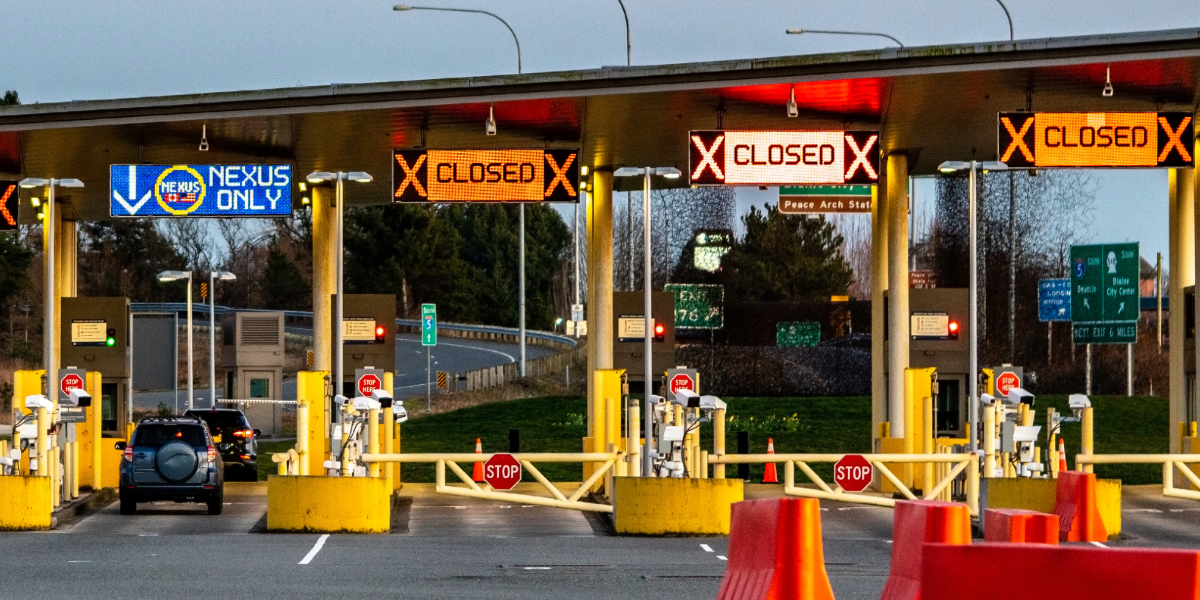
BLAINE, WAsh. – The United States now requires facial biometric photographs for non-U.S. citizens entering and leaving the country, including those crossing at land borders in the Pacific Northwest.
The policy is administered by the Department of Homeland Security under its Biometric Entry-Exit Program, which federal officials say is intended to improve identity verification and track border crossings more accurately.
Who Must Have Their Photo Taken at the U.S. Border
Under current DHS policy:
- All non-U.S. citizens are subject to facial biometric collection
- The rule applies regardless of how long a traveler plans to stay.
- The requirement covers air, land, and sea ports of entry and exit.
The most significant change, which took effect in December, ties biometric collection to the act of crossing the border—not the length of a traveler’s stay.
How DHS Collects Facial Biometrics
DHS uses facial recognition technology to:
- Capture a live photograph at entry or exit.
- Compare the image with passport data and existing travel records.
- Create a verified record of arrival or departure.
At most crossings, automated cameras take photos at inspection booths, boarding gates, or self-service kiosks, depending on the location.
In most cases, officials do not collect new fingerprints unless another immigration process requires them.
How Long DHS Keeps the Data
According to DHS privacy disclosures, the agency does not immediately delete facial biometric records.
Instead, DHS may retain the data for up to 75 years.
Officials say they may use the records for:
- Immigration enforcement
- Law enforcement purposes
- National security investigations
Privacy advocates continue to raise concerns about the long retention period and the potential for expanded use beyond border verification.
Can Travelers Opt Out?
DHS says travelers cannot opt out of facial biometric collection.
Officials warn that travelers who refuse to comply will likely face additional screening and longer processing times before they can proceed.
Federal authorities now treat the system as a standard part of U.S. border operations.
What Travelers Should Expect
When non-U.S. citizens enter or exit the United States, border officials will take a facial photograph as part of routine processing. This includes land crossings in Washington state.
PNW Daily will continue tracking DHS policy changes, enforcement practices, and any legal challenges tied to biometric data collection.
About the Author


7 thoughts on “United States Now Requires Facial Biometric Photos for Non-Citizens at Border Crossings”