

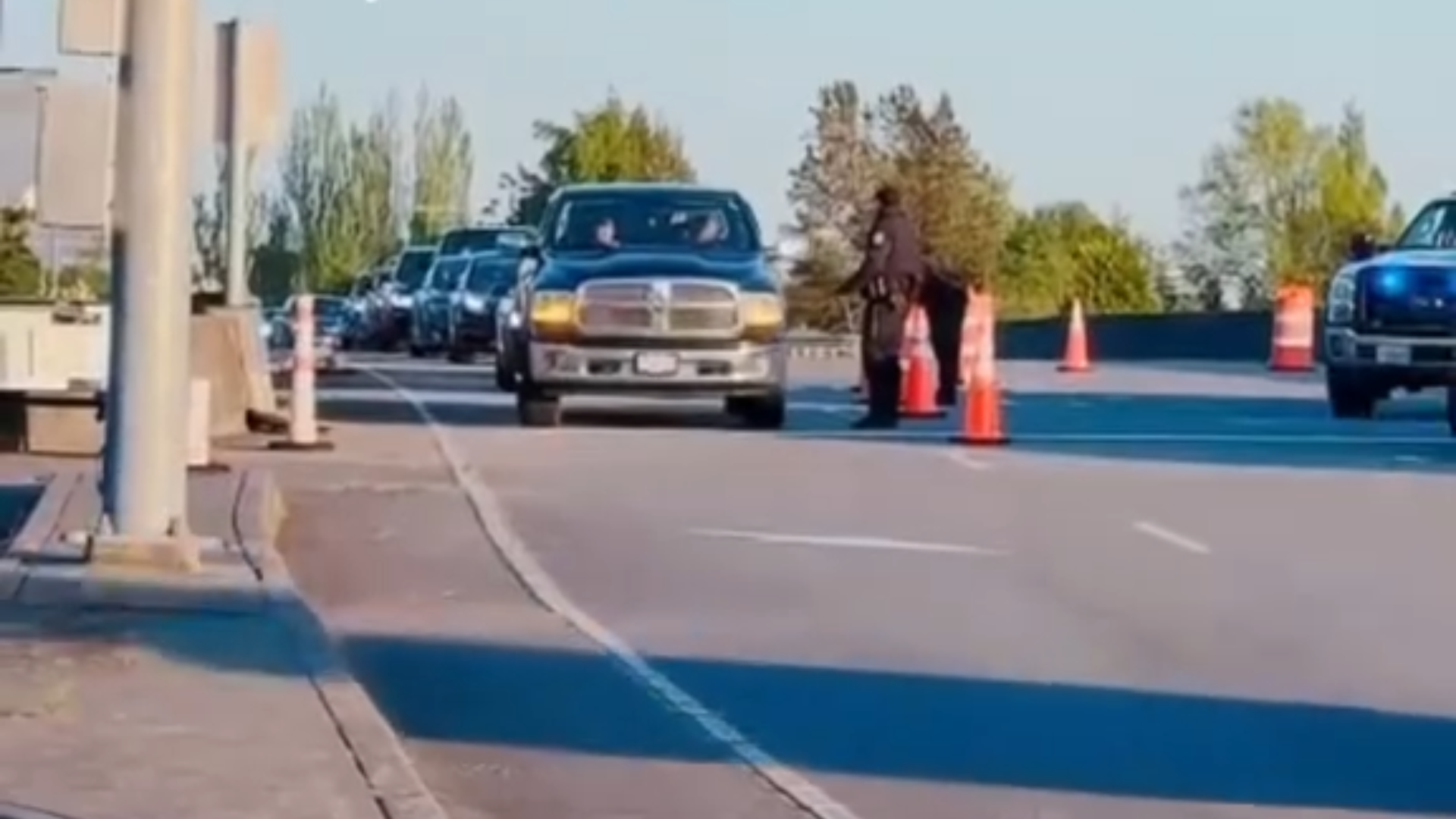
WHATCOM COUNTY, Wash. — Travelers heading north into British Columbia continue to encounter U.S. Customs and Border Protection exit checkpoints going into Canada, a practice federal officials say is legal and ongoing but still confusing for some drivers.
Checkpoint activity has decreased since late summer but remains more frequent than in previous years, particularly at high-traffic crossings.
PNW Daily broke the news on the increased exit checkpoints first documented in May 2024. Exit screenings at northern crossings first drew widespread attention and later spread to Canadian media coverage in British Columbia.
CBP officers typically position the checkpoints before vehicles reach Canadian inspection booths, allowing U.S. officials to question travelers as they leave the country.
Operations have been observed at major Whatcom County crossings, including the Peace Arch and Pacific Highway ports of entry, where traffic volumes shift sharply during holidays, major events, and peak travel periods.
What Exit Checkpoints Are — and Are Not
According to CBP policy, exit checkpoints are intended to:
- Verify citizenship and travel documents
- Identify individuals with outstanding warrants or immigration violations
- Disrupt human smuggling and cross-border crime
CBP says the operations are separate from Canadian inspections and are conducted independently of the Canada Border Services Agency.
Travelers who encounter these checkpoints have not yet entered Canada, and Canadian officials are not involved in the screening.
Legal Authority and Public Confusion
Federal law gives CBP broad authority to conduct inspections and brief questioning within a reasonable distance of the border, including outbound traffic.
Civil liberties advocates have questioned how that authority is applied, particularly when checkpoints appear routine rather than tied to specific intelligence.
For many drivers, the distinction between U.S. exit screening and Canadian entry inspection remains unclear, especially when lines extend well south of the border during busy travel periods.
CBP does not release detailed public data on checkpoint frequency or the number of travelers questioned, citing operational security.
Impact on Cross-Border Travel
Frequent cross-border travelers say the checkpoints can:
- Increase wait times during busy weekends
- Add another layer of questioning before Canadian inspection
- Create uncertainty for drivers unfamiliar with the process
In Whatcom County, where cross-border travel is part of daily life and the regional economy, even minor delays can have outsized effects.
No Policy Change Announced
Federal officials have not announced new policy changes related to outbound checkpoints. CBP has said exit screening remains part of its layered border-security strategy, particularly at high-traffic northern crossings.
Travelers are advised to:
Check current wait times and border conditions before departing
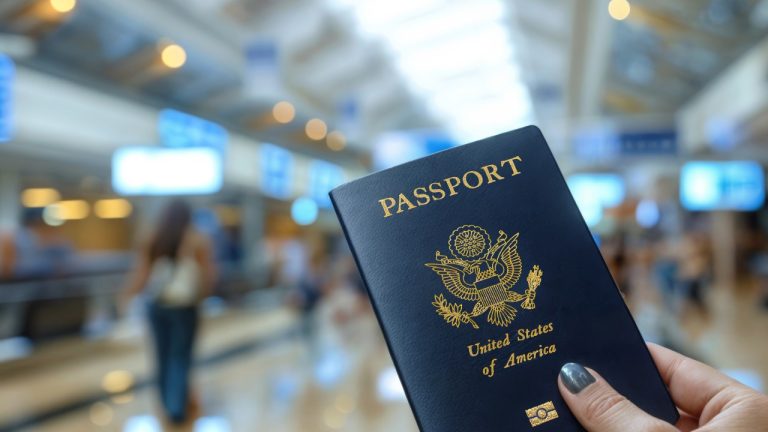
Carry valid identification and travel documents
Expect possible brief questioning before reaching Canada
PNW Daily has requested more information from CBP for details on exit checkpoints, but have not received an official response over the course of the last year other than to be added to the media distribution list.
About the Author



6 thoughts on “U.S. Exit Checkpoints Near Canadian Border Continue”