SEATTLE — A Skagit County man was sentenced to six months in federal prison Wednesday for making repeated threats against members of Congress, according to the U.S. Department of Justice.
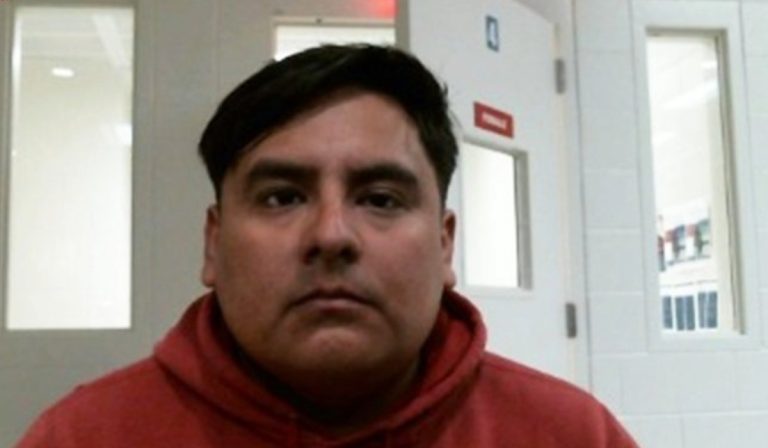
Bradley Whaley, 67, pleaded guilty to making interstate threats after placing multiple phone calls to two separate congressional offices in Washington, D.C., in March 2025. Prosecutors said Whaley left threatening voicemails and also spoke directly with staff members.
Court records show Whaley threatened to kill the lawmakers and their staffs, referenced the Second Amendment, and said he would slit their throats. He left his name and phone number in several messages.
Federal agents arrested Whaley on March 21, 2025, at his workplace in downtown Seattle. Investigators found a loaded handgun in the center console of his vehicle.
Judge cites risk to democracy
At sentencing, U.S. District Judge Jamal N. Whitehead said the calls were part of a broader and dangerous pattern.
“Mr. Whaley made multiple threatening calls to offices of two U.S. Representatives,” Whitehead said. “This was part of a dangerous pattern that, if left unchecked, threatens the democratic process.”
Surge in threats nationwide
Prosecutors asked for a one-year sentence and pointed to a sharp rise in threats against elected officials. According to the United States Capitol Police, threat cases increased from 7,501 in 2022 to 9,747 in 2024. In 2025, investigators handled about 14,000 cases.
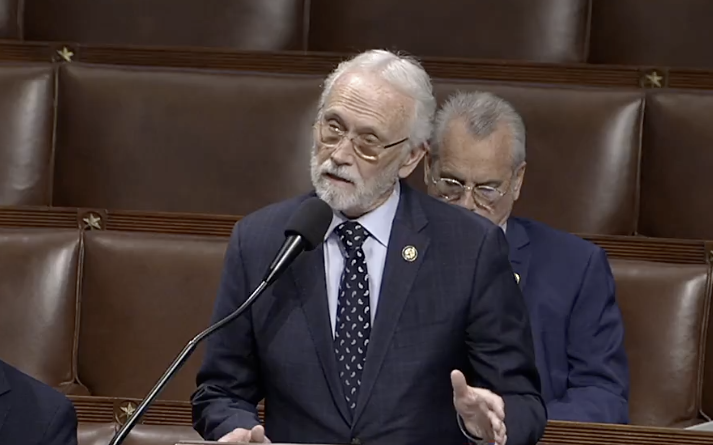
Court documents revealed that Whaley made repeated threats on multiple occasions by contacting Rep. Dan Newhouse’s local state offices. Whaley used his personal cell phone to make each of the phone calls in addition to leaving his number.
Alcohol abuse cited in mitigation
In a letter to the court, Whaley blamed the calls on heavy alcohol abuse. His attorney said he has since completed treatment.
Whitehead also ordered Whaley to serve three years of supervised release after completing his prison term.
Investigation and prosecution
The Federal Bureau of Investigation and the United States Capitol Police investigated the case. Assistant U.S. Attorney Rachel Yemini prosecuted it.
About the Author