Source: Gov Bob Ferguson's Office
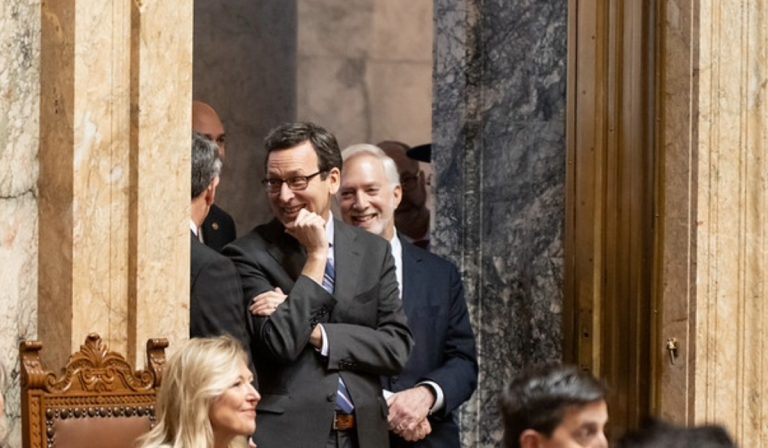
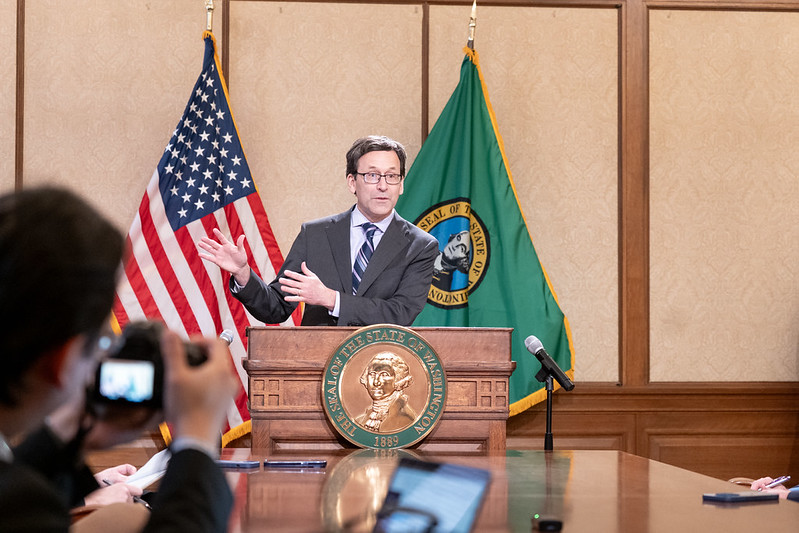
OLYMPIA, Wash. — Gov. Bob Ferguson opened Washington’s 2026 legislative session by rolling out a slate of six “Governor Request Bills” that target housing, public safety, artificial intelligence oversight, early learning, health policy and government efficiency.
Ferguson framed the package as a response to rising costs, public safety concerns and rapid technological change. Lawmakers must pass the bills by March 12 for them to become law.
“As the federal government creates chaos and uncertainty, we are taking bold action to make state government work better and improve the lives of all Washingtonians,” Ferguson said. “These bills, if passed by the Legislature, will make us safer, healthier, more efficient and more affordable.”
Republican lawmakers used the same legislative preview events to argue that the state should slow government growth and tighten spending before expanding programs.
Housing, safety and AI form the core of the plan
Several of Ferguson’s proposals take on issues that have dominated recent legislative debates.
One bill would require cities and counties to allow mixed-use and residential development in commercially zoned areas. The governor’s office says the change could unlock new land for housing without years of rezoning fights. Supporters say it could turn empty strip malls and closed big-box stores into apartments.
Another proposal would make it a gross misdemeanor for people who are not law enforcement officers to make, sell or possess police badges or insignia. The bill includes narrow exceptions for artistic and satirical use. Ferguson says the measure would reduce impersonation and improve public safety.
A third bill would regulate AI companion chatbots, including tools such as ChatGPT, Google Gemini and Microsoft Copilot. The proposal would require developers to add safeguards for users who express suicidal thoughts. It would also require protections for minors and clear disclosures about how the systems respond to vulnerable users.
Violations would fall under the state Consumer Protection Act.
Ferguson has said the bill reflects growing concerns about how AI affects young people and mental health.
Early learning and vaccine policy changes
Another proposal would create a special account for private funds to support the Early Childhood Education and Assistance Program, or ECEAP. The governor’s office says the account could help pay for up to 10,000 additional early learning slots over the next decade.
The package also includes a bill that would allow the Washington State Department of Health to set vaccine recommendations based on state-level scientific review. The proposal would reduce reliance on federal advisory committees.
Ferguson’s office says the bill would not create new mandates or change consent laws. Instead, it aims to preserve access to vaccines if federal guidance becomes politicized.
Faster permits, refunds for missed deadlines
The final request bill targets long wait times for state permits and licenses.
The proposal would require agencies to publish processing deadlines. It would also require annual performance reports. If agencies miss those deadlines for complete applications, they would have to refund application fees.
Ferguson says the measure would make state government more predictable for residents and businesses.
GOP warns against expanding government
Republican leaders have not released a formal response to Ferguson’s six-bill package. But they used legislative preview events to stress a different set of priorities.
Sen. Chris Gildon, R-Puyallup, said lawmakers should limit the growth of state government.
“The first thing I think we actually should do is limit the rate of growth for state government and tie it to some index, whether that’s median wage worker growth or whatever,” Gildon said. “Any revenue that the state takes above that could be returned back to the people in some form of tax refund.”
Gildon also pointed to what he described as inefficiencies in existing programs.
“We found out recently that there were over 300,000 hours of paid family and medical leave that were paid to state employees who were also concurrently on sick leave,” he said. “I think we can fix that, and that’s going to save some real money.”
His comments reflect a broader GOP argument that Washington’s main problem is spending discipline, not revenue.
What comes next
Legislative committees will begin hearings on Ferguson’s request bills in the coming days. Because the measures carry the governor’s backing, they are likely to move early in the session.
The debate sets up a familiar divide in Olympia. Democrats want to expand state involvement in housing, health and technology oversight. Republicans want tighter spending controls and limits on government growth.
Whether Ferguson’s proposals pass intact or change through negotiation will become clearer as the session moves into floor debates.
About the Author